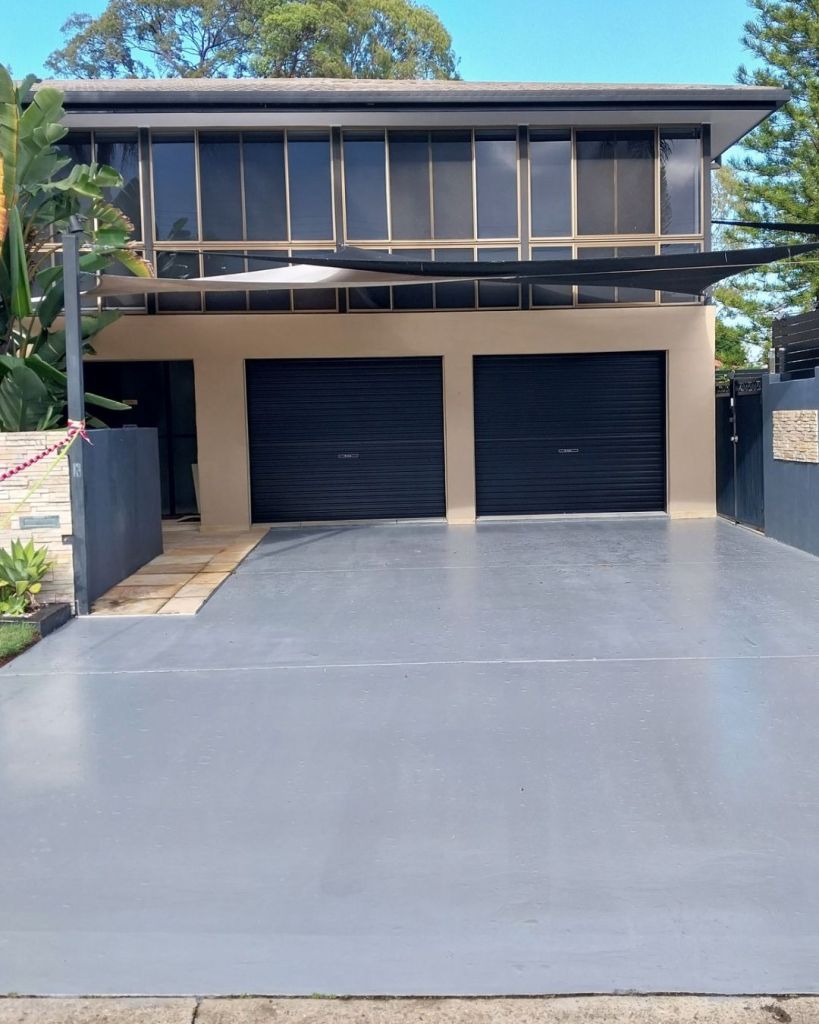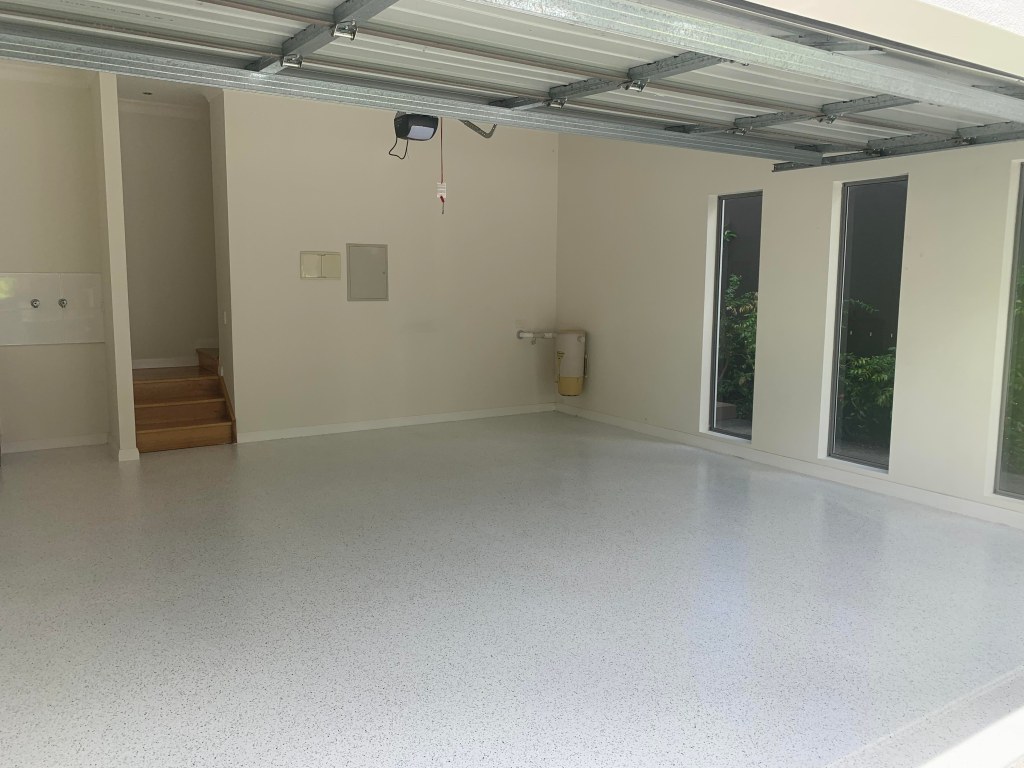
In this blog post, we'll explore why epoxy garage floors are becoming so popular, uncover the numerous benefits they offer, and compare them to more traditional flooring options. We'll also provide a step-by-step guide for those who want to try a DIY approach, along with tips on selecting the right epoxy and finding reputable contractors for professional installation. By the end, you'll understand the true value of epoxy garage floors and perhaps be inspired to upgrade your own garage.
The Benefits of Epoxy Flooring
Durability that Lasts
Epoxy floors are incredibly durable. When applied correctly, epoxy creates a tough, resilient surface that can withstand heavy traffic, impacts, and abrasions. This makes it an excellent choice for a high-traffic area like a garage, where cars, bikes, and heavy equipment are frequently moved around. Unlike concrete, which can crack and wear out over time, epoxy resists these common issues, ensuring your floor remains in top condition for years.
Aesthetics that Impress
Beyond durability, epoxy floors bring a sleek, polished look that can dramatically improve the appearance of your garage. Available in a variety of colours and finishes, epoxy allows homeowners to customise their space to match their personal style. Whether you prefer a high-gloss finish or a more subtle matte look, epoxy can deliver. Plus, decorative options such as metallic finishes and colour flakes add a touch of uniqueness to your garage.
Easy Maintenance
One of the standout advantages of epoxy flooring is its ease of maintenance. Spills and stains, common in a garage setting, can be easily wiped away without leaving marks. The non-porous surface prevents oil, chemicals, and other substances from seeping in, which means fewer headaches when it comes to cleaning. Additionally, epoxy is resistant to dust and dirt, making it easier to keep your garage looking pristine with minimal effort.
Comparing Epoxy with Traditional Flooring Options
Epoxy vs. Concrete
Concrete is a traditional choice for garage floors, but it comes with a range of drawbacks. While concrete is strong, it is not indestructible. Over time, it can crack and chip, requiring costly repairs. Epoxy, on the other hand, provides a protective layer that shields the underlying concrete from damage. Additionally, concrete tends to absorb stains, making it difficult to maintain a clean appearance, whereas epoxy’s non-porous surface resists staining.
Epoxy vs. Tiles
Some homeowners opt for garage tiles, which can be attractive and easy to install. However, tiles can crack under heavy weight and may become dislodged over time. They also require regular maintenance to keep grout lines clean. Epoxy offers a seamless, continuous surface that eliminates these issues. It’s also generally more cost-effective in the long run, given its durability and low maintenance needs.
Epoxy vs. Paint
Painting a garage floor is another option, but it’s one that comes with limitations. Paint can wear off quickly, especially in high-traffic areas. It also lacks the strength and durability of epoxy, making it a less practical choice for garages. While paint might be cheaper initially, the frequent touch-ups and repaints needed to keep it looking good can add up. Epoxy, with its long-lasting finish, proves to be a more economical choice over time.
Step-by-Step Guide to Epoxy Flooring
Preparation is Key
Before applying epoxy, it’s crucial to prepare the garage floor properly. Start by cleaning the floor thoroughly to remove any dirt, oil, or grease. Next, repair any cracks or imperfections in the concrete. This ensures a smooth, even surface for the epoxy to adhere to. Finally, etch the concrete using an acid solution to open up the pores, allowing the epoxy to bond more effectively.
Applying the Epoxy
Once the floor is prepared, it’s time to mix and apply the epoxy. Follow the manufacturer’s instructions carefully, as incorrect mixing ratios can affect the final result. Start by applying a primer coat, which helps the epoxy adhere better. After the primer has dried, apply the first coat of epoxy using a roller. Work in small sections and maintain a wet edge to avoid lap marks. Once the first coat is dry, apply a second coat for added durability and a more even finish.
Finishing Touches
Allow the epoxy to cure fully before using the garage. This can take anywhere from 24 to 72 hours, depending on the product and environmental conditions. For added protection and a glossy finish, consider applying a topcoat. Finally, add any decorative elements, such as colour flakes or metallic pigments, while the epoxy is still wet.
Choosing the Right Epoxy
Types of Epoxy
There are a few types of epoxy available, each with its own set of characteristics. Water-based epoxy is easy to apply and environmentally friendly, but it may not be as durable as solvent-based options. Solvent-based epoxy offers excellent adhesion and durability but requires proper ventilation during application due to its strong fumes. 100% solid epoxy provides the highest durability and thickness but can be more challenging to work with.
Colour and Finish Options
Epoxy comes in various colours and finishes, allowing you to customise your garage floor to suit your style. Consider factors such as lighting and the overall look you want to achieve. High-gloss finishes reflect light, making the space appear brighter and larger, while matte finishes offer a subtle, sophisticated look.
Professional Installation vs. DIY
While a DIY epoxy flooring project can be rewarding, it requires time, effort, and attention to detail. If you’re not confident in your abilities, hiring a professional contractor might be the best option. Professionals have the experience, tools, and knowledge to ensure a flawless finish, saving you time and potential frustration.
Finding Reputable Contractors
Research and Reviews
Start by researching local contractors who specialise in epoxy flooring. Read reviews and testimonials from previous clients to gauge their reliability and quality of work. Additionally, ask for recommendations from friends or family who have had similar work done.
Request Quotes
Contact several contractors to request quotes for your project. Make sure to provide detailed information about the size of your garage and any specific requirements you have. Compare the quotes to ensure you’re getting a fair price, but don’t automatically choose the cheapest option. Quality and experience should also be considered.
Check Credentials
Ensure the contractor is licensed and insured. This protects you from liability in case of accidents or damage during the installation process. Additionally, ask about their experience with epoxy flooring specifically, as this requires specialised knowledge and skills.
Epoxy garage floors offer a host of benefits that make them an attractive option for homeowners looking to enhance their garage space. From unmatched durability and aesthetic appeal to easy maintenance and cost-effectiveness, epoxy flooring stands out as a superior choice compared to traditional options. Whether you choose to tackle the project yourself or hire a professional, transforming your garage with epoxy can add value to your home and improve your daily living experience.