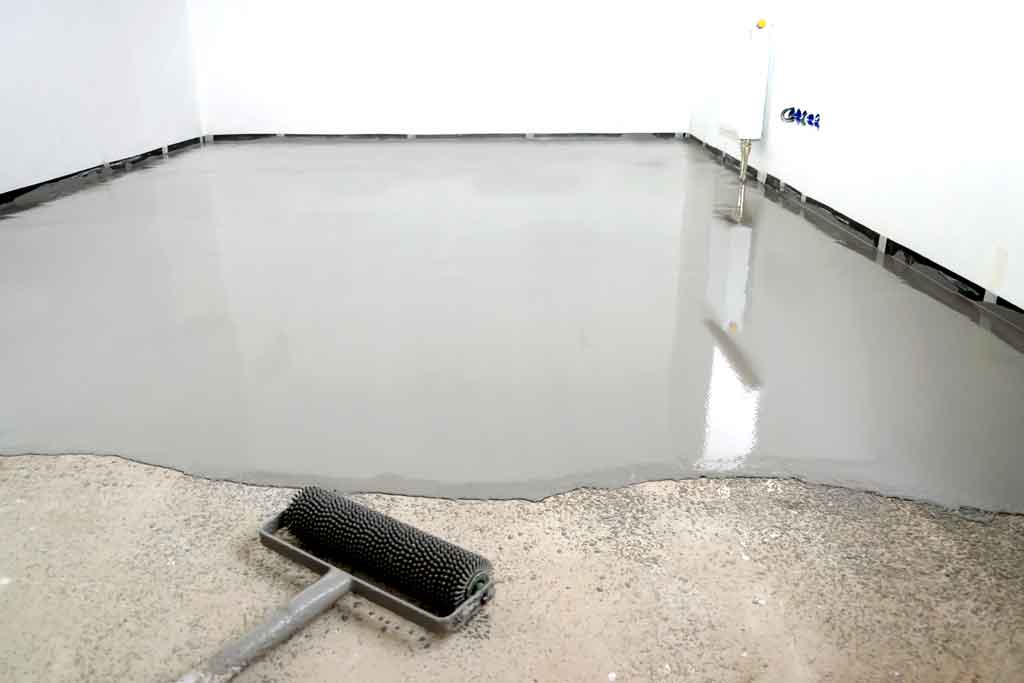
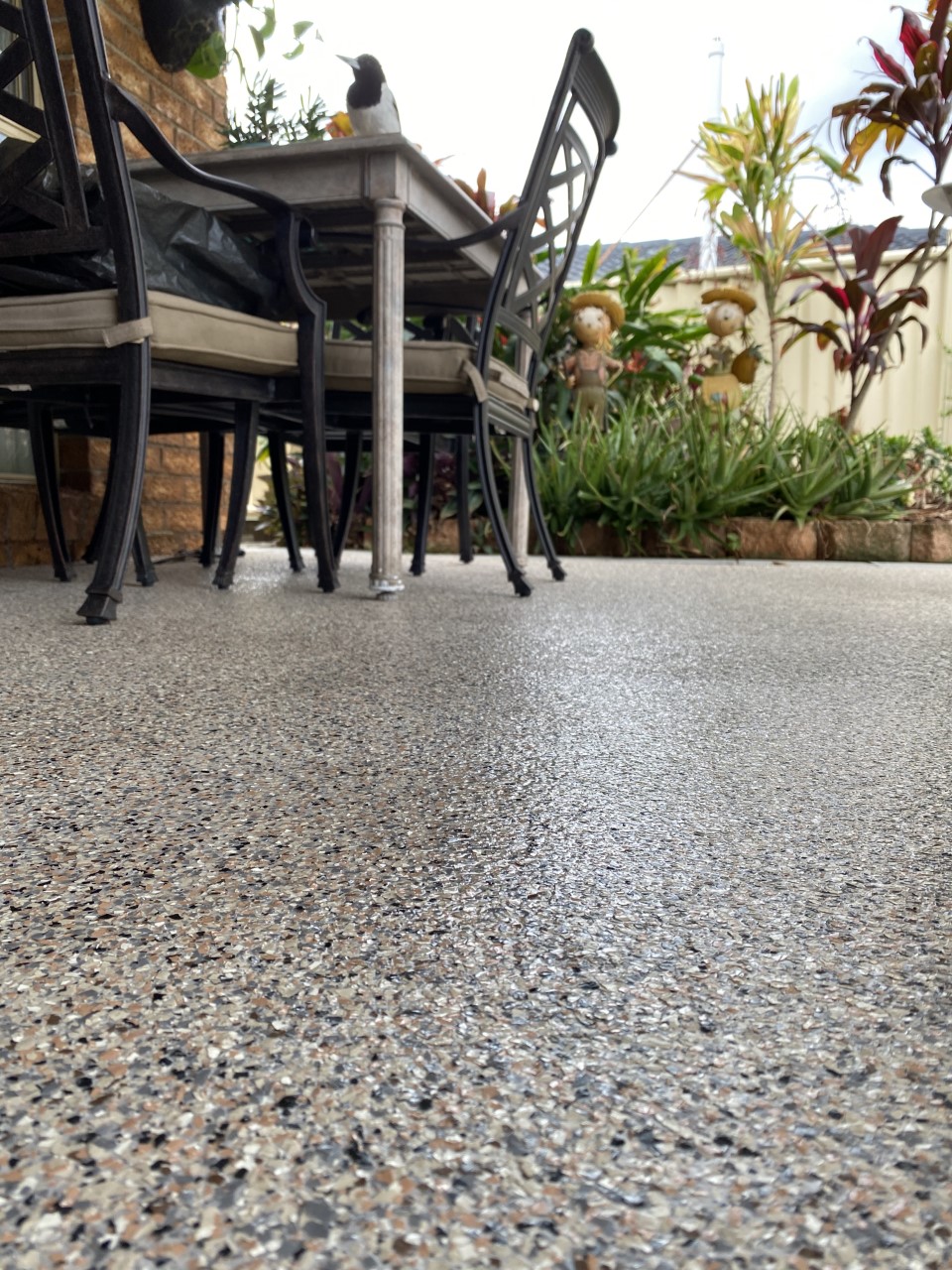
Posted on — Leave a comment

Which Epoxy Finish Matches Your Suburb’s Home Style? (Gold Coast vs Broadbeach vs Redland City)

contact-us-image

When choosing a brand-new garage or home floor, your choice shouldn’t just be durable—it should match the architectural aesthetic of your neighborhood. If you are looking for the absolute best garage epoxy flooring Gold Coast properties can feature, matching the finish to your suburb’s style is the ultimate way to build value.

As premier local specialists covering the Gold Coast, Logan, and the Brisbane corridor, we see firsthand how different finishes complement local homes. Here is our architectural style guide to picking the perfect floor coating.

1. The Coastal Modern Aesthetic (Broadbeach, Burleigh & Main Beach)

High-end coastal homes feature wide-open spaces, light timber elements, and minimalist stone features. Standard grey concrete simply doesn’t fit the luxury holiday vibe of these properties.

  • The Perfect Match: Premium Highlights Flake Blends.
  • Why it works: Our full broadcast vinyl chip flakes in lighter tones (like soft greys, sand beige, or custom white blends) give you a clean, beachside aesthetic. It reflects natural coastal sunlight beautifully while hiding tracked-in beach sand, making it perfect for main garages, open patios, and indoor utility rooms.

2. Heavy-Duty Family & Trade Hubs (Helensvale, Robina & Coomera)

Suburbs further inland feature large family homes, heavy-duty 4×4 vehicles, home workshops, and bustling family traffic. These garages need an industrial-grade barrier that can handle tools, water, and hot-tyre pick-up without breaking a sweat.

  • The Perfect Match: Heavy-Duty 5-Coat Epoxy Garage Flake Flooring.
  • Why it works: Our standard flake ranges (like Ash Grey or Charcoal) are the ultimate workhorses. Built on an industrial-grade base coat after thorough diamond grinding, this system withstands boiling hot car tyres, dropped tools, and oil spills. Plus, it provides excellent built-in slip resistance for active families.

3. Sleek Urban & Commercial Spaces (Brisbane Corridor & Redland City)

Closer to the city and newer residential estates, sleek minimalism dominates. Homeowners want clean lines, easy maintenance, and ultra-smooth finishes that look incredibly polished.

  • The Perfect Match: Standard Plain Colours or Metallic Epoxy.
  • Why it works: If you are converting a garage into a sleek home gym, a dedicated workshop, or a modern office space, a seamless plain epoxy coating provides a mirror-like finish. It is exceptionally easy to mop, dust-proofs your concrete instantly, and creates a bright, professional look.

Get Your Custom Gold Coast Floor Finish

No matter where you live along the South East Queensland coast, our team backs every single residential installation with an ironclad 10-year residential warranty. We don’t cut corners on concrete preparation—meaning your floor is built to look stunning and last a lifetime.

💡 Ready to see the options in person? Explore our comprehensive Gold Coast Flake Flooring Colour Chart or contact Gold Coast Floor Finishers today for your free on-site measure and quote!

Posted on — Leave a comment

Is It Time to Upgrade Your Epoxy Flooring on the Gold Coast?

A well-installed epoxy floor can transform a garage, patio, or workshop. Many homeowners choose Epoxy Flooring Gold Coast services for their durability, seamless finish, and easy maintenance. But even the best epoxy will eventually show signs of wear. If the surface has lost its shine, started lifting, or developed scratches or stains, it may be time to consider a renovation.

Acting early prevents bigger issues, including damage to the concrete slab underneath. Upgrading your epoxy is about restoring safety, strength, and long-term performance, as much as it is about sustaining aesthetics. 

Clear Signs You Should Renovate Your Epoxy Flooring in Gold Coast
Recognising that your floor needs attention is the first step. Acting on these signs promptly can be the difference between a straightforward repair or costly replacement.

The indicators of failure generally fall into three categories: what you can see, how the floor functions, and how its environment is affecting it. Understanding these will help you make an informed decision.

Visual Indicators

Often, your eyes will be the first to tell you something is wrong. While a few minor scuffs are normal, aesthetic changes can point to deeper issues.

Fading or a yellowing tint, particularly in areas exposed to sunlight, is a classic sign of UV degradation. This is a prevalent issue for Gold Coast homes with epoxy on patios or in garages where the door is often open. You might also see persistent stains that won’t lift, which means the sealed surface has been compromised.

More alarming are cracks, chips, and especially peeling or flaking. These physical breaches in the floor’s protective shield leave the underlying concrete open and vulnerable to damage.

Functional Indicators

How the floor performs is just as important, if not more, then how it looks. One of the most critical functional failures is the loss of slip resistance. If your once-grippy pool surround or workshop floor has become slick when wet, it’s a serious safety hazard that needs immediate attention.

Another functional sign is difficulty in cleaning. Epoxy floors are celebrated for being hardy and easy to maintain, so if dirt and grime seem to cling to the surface or oil spills leave a permanent mark, the non-porous seal has worn through.

You might also notice water pooling in certain areas after rain or cleaning, indicating that the surface has worn unevenly and developed low spots.

Environmental Indicators

The climate of the Gold Coast can be tough on any building material, and epoxy is no exception. The persistent humidity can contribute to moisture issues beneath the coating, sometimes showing up as bubbles, blisters, or a white, chalky residue.

The intense sun is another factor, accelerating the breakdown of coatings not specifically formulated with UV stability.

Furthermore, hot summer temperatures can soften tyres, which can affect some types of epoxy coatings, leading to lifting or marks. If your floor is showing signs of stress that align with seasonal changes or its specific location (e.g., coastal sea spray exposure), the environment is likely a contributing cause of its decline.

Quick Homeowner Checklist: Do You Need an Update?

Feeling overwhelmed by the signs? Take a moment and walk over your floor with this simple checklist. It’s a practical way to self-assess the condition of your epoxy and decide if it’s time to call in a professional. Be honest with your answers—it will help you determine the right next steps.

  • Is the colour noticeably faded, yellowed, or inconsistent across the floor?
  • Can you see visible cracks, chips, or any areas where the coating is lifting or peeling away from the concrete?
  • Does the floor look permanently dull or dirty, even right after you’ve given it a thorough clean?
  • When the surface gets wet, does it feel more slippery or hazardous than it used to?
  • Have you noticed any strange textures, like bubbles, blisters, or soft spots underfoot?
  • After hosing it down, does water pool in certain areas instead of draining evenly?

If you answered “yes” to one or two of these questions, it’s a good time to start planning for a future renovation. If you found yourself nodding along to several points, your epoxy flooring in Gold Coast is actively telling you it needs attention now. The next logical step is to consult a flooring expert who can provide a professional assessment.

Renovation Options: Refresh, Repair, or Replace?
exterior-epoxy-flooring

Once you’ve decided to act, you have three main paths forward, depending on the severity of the damage. A professional assessment will give you the clearest recommendation, but understanding your options is empowering.

  1. Refresh (Recoat):

This is the simplest option, suitable for floors with minor cosmetic wear like dullness, light scuffs, or slight fading. The process involves lightly sanding (abrading) the existing topcoat to create a mechanical bond, followed by the application of a new, fresh coat of clear or coloured epoxy or urethane. It’s a cost-effective way to restore the gloss and protective qualities without touching the base layers.

  1. Repair:

If the damage is localised, like a few deep cracks from a dropped tool, a chip near the garage door, or a small area of peeling, a targeted repair may be all you need.

A technician will grind out the damaged section, patch the concrete if necessary, and then skillfully apply new epoxy, blending it with the surrounding floor. This approach saves the healthy portions of your floor and is much less disruptive than a full replacement.

  1. Replace (Full Resurface):

For floors with widespread issues like extensive peeling, deep and numerous cracks, severe staining, or moisture-related blistering, a full replacement is the only reliable solution. This involves mechanically grinding the entire old coating off the slab, preparing the raw concrete from scratch, and installing a completely new epoxy system.

While it’s the most intensive and costly option, it guarantees a long-lasting, flawless result and allows you to choose a new colour or finish, completely transforming the space.

How Long Does an Epoxy Renovation Take?

The timeline for an Epoxy Flooring Gold Coast renovation can vary, but a professional team works efficiently to minimise disruption. For a standard double garage, a full resurfacing project typically follows a 3 to 5 day schedule.

Day one focuses on the most critical phase: surface preparation. This includes using a diamond grinder to remove the old coating and create the ideal profile for the new epoxy system to bond to. Any necessary repairs are also completed at this stage.

Days two and three usually involve applying the primer, the base coat (with decorative flakes if selected), and one or two durable topcoats.

Preparing Your Space for a Smooth Renovation

A little preparation on your part can make a huge difference in how smoothly the renovation process goes. The most important task for you as the homeowner is to completely clear the area.

Every item, from cars, toolboxes, shelves, storage bins, and pot plants, needs to be removed from the floor. It’s also wise to take down anything hanging on the walls nearby, as the grinding process can create fine dust, although professional crews use vacuums to contain most of it.

Your contractor will handle the heavy lifting of the renovation itself, including a thorough assessment for underlying issues like moisture before they begin. They will manage all the surface grinding, repairs, and applications.

Your job is simply to provide a clean slate for them to work on and to ensure they have access to power. Discussing logistics, such as where they will clean their equipment, before they start can also help ensure a tidy and efficient project from beginning to end.

How to Choose the Right Contractor and When to Act

A successful Epoxy Flooring Gold Coast renovation depends on timing and choosing the right installer. If your floor is fading, yellowing, cracking, lifting, or becoming slippery, it’s no longer performing as it should.

When it’s time to renovate, work with a Gold Coast contractor who has proven experience, solid local reviews, and valid QBCC licensing.

During your consultation, confirm they use diamond grinding for surface preparation and can explain which epoxy or polyaspartic products best suit your space, especially for high-sun or high-traffic areas. Clear, itemised quoting and a workmanship warranty are strong indicators you’ve chosen a reliable professional.

If you’re recognising any of the warning signs or simply want to restore your floor to its original finish, reach out to Gold Coast Floor Finishers. Their team can assess your space, recommend the best renovation path, and deliver a durable, long-lasting result tailored to Gold Coast conditions.

Posted on — Leave a comment

How to Protect Garage Epoxy Flooring in Gold Coast this December

Summer on the Gold Coast brings brilliant sunshine, long beach days, and the festive rush of the holidays, but it also puts real pressure on your garage floor.

Intense heat, high humidity, and a steady flow of sandy feet and wet gear can quickly wear down unprotected concrete. On top of that, the garage becomes one of the busiest areas of the home in December, acting as a staging zone for beach trips, storing extra cars, and hosting last-minute projects.

These conditions create a mix of heat stress, moisture exposure, and heavy traffic that can damage concrete far faster than most homeowners realise. For properties across the Tweed Shire region and up through the Epoxy Flooring in Gold Coast, December is the ideal time to strengthen the slab before peak summer wear begins.

A professionally installed epoxy coating provides the durable, long-lasting barrier needed to handle everything the season brings.

The Ways Heat Damages Concrete

Uncoated concrete might seem tough, and sure it is. But it has a weakness when it comes to high temperatures.

As the mercury climbs, bare concrete can begin to break down, leading to a fine layer of ‘surface dusting’ that gets tracked all over your house. More concerning is a problem known as ‘hot tyre pickup’.

When you park a hot car on a warm concrete slab, the tyres can soften the surface sealer or even the concrete itself.

Over time, this process lifts away pieces of the surface, leaving ugly, pitted marks that are impossible to repair without professional intervention. An epoxy coating, however, creates a powerful thermal barrier. It consists of resins and hardeners that bond directly to the concrete, forming a seamless, non-porous shield.

This layer is engineered to withstand temperature fluctuations and resists the softening that leads to hot tyre pickup, keeping your floor pristine even on the hottest days of the year.

Humidity and Moisture

From December through February is the peak humidity season on the Gold Coast, and this moisture presents a hidden danger to your garage floor. Unsealed concrete is porous, meaning it readily absorbs moisture from the air.

This often results in a phenomenon called ‘sweating’, where the floor becomes slick and damp to the touch. Beyond being a slip hazard, this constant dampness can lead to far more serious issues. Moisture can become trapped beneath the surface, weakening the concrete from within and promoting the growth of mould and mildew.

Over time, this can cause the concrete to crumble or bubble. A professionally installed, moisture-tolerant epoxy system is essential for our coastal climate. It forms a completely waterproof barrier that prevents moisture from seeping into the concrete slab, ensuring the floor remains dry, safe, and structurally sound year-round.

Sand, Salt, and Beach Gear

One of the best parts of a Gold Coast summer is easy access to the beach, but what you bring back can be incredibly damaging to your garage floor. Sand, though tiny, is highly abrasive. Every time you walk across the garage with sandy feet or unpack sandy towels, you are essentially sandpapering the surface of your concrete.

Add saltwater from dripping surfboards and wet gear into the mix, and you have a recipe for accelerated erosion and staining. The constant grind wears down the surface, making it more prone to dusting and cracking.

Think of December as your floor’s annual ‘reset point’. By clearing out the space and applying a protective epoxy coating now, you prepare it for the inevitable onslaught of the beach season. An epoxy floor provides a tough, seamless surface that sand and salt can’t penetrate, making cleanup as simple as a quick sweep or rinse.

Why December Is the Ideal Month for Epoxy Installation

Timing is everything when it comes to flooring projects, and December offers a perfect window of opportunity for epoxy installation.

The weather during this month is typically warm enough to ensure optimal curing and adhesion of the epoxy resin, without the extreme, oppressive heat of late January and February that can sometimes complicate the process. From a practical standpoint, scheduling an installation in December is often much easier.

With most people busy with holiday plans, contractors often have better availability in December. Installing Epoxy Flooring in Gold Coast now gives the surface time to settle before Christmas traffic and vehicle movement pick up. It is a simple, proactive upgrade that sets you up for a trouble free summer.

Quick December Readiness Checklist

Take a few moments this weekend to assess your garage floor’s condition. A quick check now can save you significant trouble later. Use this simple list to see if your floor is ready for the summer season.

  • Check for Heat and Tyre Damage: Look closely at the areas where you park your cars. Can you see any flaking, pitting, or dark, rubber-like stains? These are classic signs of hot tyre pickup.
  • Assess for Moisture Spots: After a humid night or rainy day, check the floor for dark, damp patches. Persistent moisture indicates your concrete is absorbing water and is at risk of long-term damage.
  • Clean Away Sand and Debris: Give the entire floor a thorough sweep. Pay attention to how much dust and grit you collect. A large amount of fine, concrete-coloured dust is a sign the surface is breaking down.
  • Book a Professional Assessment: If you notice any of the issues above, it’s wise to book an assessment with a flooring specialist before the January rush. They can identify underlying problems and recommend the right solution.
  • Plan for Durability: When considering options, prioritise flooring systems that are specifically UV-stable and moisture-resistant to handle the harsh Gold Coast climate.
  • Schedule Basic Maintenance: Plan to keep the floor clear and give it a regular clean throughout the holiday season to minimise the abrasive effects of sand and dirt.

Maintenance Tips to Protect Your Epoxy Through Summer

Once your epoxy floor is installed, keeping it in top condition is straightforward. The key is consistent, gentle care, especially during high-use periods.

Make a habit of sweeping the floor every few days to remove sand and grit before they can be ground into the surface.

For a deeper clean, a simple mop with a pH-neutral cleaner is all you need. The non-porous surface means dirt and grime lift away easily.

One of the biggest mistakes homeowners make is using harsh chemicals like citrus-based cleaners or vinegar, which can dull the glossy finish over time. You should also avoid using a pressure washer at close range, as the intense force can damage the coating.

Finally, be mindful of dragging heavy items like toolboxes, ladders, or packed eskies across the floor. While epoxy is incredibly durable, taking a moment to lift rather than drag will preserve its flawless finish for years to come.

A Summer Ready Finish Starts With Epoxy Flooring Gold Coast

Preparing your garage floor in December means you head into summer with less stress and a lot more confidence. Between the heat, humidity, beach gear, and constant holiday traffic, few areas in the home take more punishment than the garage. Installing Epoxy Flooring Gold Coast now gives your slab the protection it needs before the busiest months arrive.

If you want your garage to look sharp and ready for summer, Gold Coast Floor Finishers is here to help. Book your December installation and we’ll make sure your floor is protected, durable, and built to last through every beach day and holiday visit ahead.


Posted on — Leave a comment

Epoxy Flooring in Gold Coast for Workshops and Home Gyms 

Your workshop and your home gym are spaces of creation and transformation. One is for building, tinkering, and fixing, while the other is for building strength and pursuing fitness goals. Both, however, place extraordinary demands on the floor beneath your feet.

A typical garage floor quickly shows its weaknesses under the pressure of dropped tools, corrosive spills, or the relentless impact of heavy weights. It stains, it chips, and it fails to provide the safe, clean surface you need. This is where professional epoxy flooring in Gold Coast changes the game, offering a solution that is as tough as it is practical for homes.

Benefits of Epoxy Flooring for Home Workshops

The home workshop is a place of beautiful chaos. Sawdust flies, oil sometimes drips, and heavy tools occasionally slip from your grasp. A standard concrete floor bears the scars of every project, absorbing spills and chipping under impact.

This constant wear not only looks messy but can also compromise the integrity of the slab over time. An epoxy floor coating provides a robust shield, turning a vulnerable surface into a durable, easy-to-manage workspace that’s ready for anything you throw at it. It’s a practical investment that pays off with every project.

High Impact Resistance

Few things make a workshop owner cringe more than the sharp crack of a heavy spanner hitting the concrete floor. That small impact can create a chip that grows into a crack, collecting dirt and weakening the slab.

Epoxy flooring is engineered to prevent this. By creating a thick, bonded layer of hardened resin, it distributes the force of an impact across a wider area. This means the floor can withstand the daily abuse from heavy foot traffic and machinery far better than bare concrete.

Think about rolling a heavy toolbox across the floor, positioning a car engine on a stand, or accidentally dropping a piece of equipment. An epoxy surface resists these pressures, preventing the chips, scratches, and abrasions that would permanently damage other flooring types.

Chemical and Oil Resistance

From motor oil and brake fluid to paint thinners and solvents, these substances can leave permanent, unsightly stains on porous concrete. Epoxy flooring creates an impermeable barrier that chemicals cannot penetrate.

Its non-porous, resin-based surface ensures that spills sit on top, waiting to be wiped away without a trace. This makes cleanup incredibly simple and effective. A puddle of oil that would permanently discolour concrete can be wiped clean from an epoxy floor with just a rag, leaving the surface looking as good as new.

Benefits of Epoxy Flooring for Home Gyms

Creating the perfect home gym involves more than just selecting the right equipment. The foundation of your training space plays a critical role in safety, hygiene, and performance.

You need a surface that can handle dropped weights without flinching, provide a stable grip for dynamic movements, and be incredibly easy to clean after a tough workout.

Epoxy flooring meets all these demands, offering a comprehensive solution that transforms any room into a high-performance training zone built for the challenges of 2025’s fitness routines.

Built for Weight Drops

A heavy dumbbell or kettlebell hitting the floor is a common occurrence in any serious gym. On unprotected concrete, this can lead to chipping and cracking. On softer flooring, it can cause dents and tears.

Epoxy flooring provides a unique balance of hardness and resilience. It’s tough enough to resist cracks and chips from dropped weights while absorbing and distributing the impact to protect the underlying concrete slab.

This durability ensures your floor remains intact through countless workouts, from heavy deadlifts to intense circuit training. Furthermore, it provides a level surface for your equipment, ensuring squat racks, benches, and cardio machines remain stable and secure during use.

Hygiene and Easy Cleaning

Sweat, chalk, and dust are unavoidable in a home gym, but they don’t have to lead to lingering odours or bacteria buildup. The key advantage of epoxy flooring is its seamless, non-porous surface.

Unlike tiled floors with grout lines or rubber mats with seams, an epoxy floor has nowhere for germs, moisture, or grime to hide. This seamless finish is a major reason why it prevents the growth of mould and bacteria.

Cleaning up after a workout session becomes a quick and simple task, as just a swift mop is all it takes to leave the surface sanitised and fresh. This low-maintenance quality is essential for maintaining a healthy and inviting workout environment.

Slip-Resistant Training Surfaces

gc-floor-finishers-featuredimage-9.jpg

Safety is paramount during any workout, especially high-intensity exercises involving quick changes in direction. A slippery floor is a significant hazard. Fortunately, epoxy flooring systems can be customised to enhance safety.

By incorporating a slip-resistant additive into the final topcoat, the surface gains a fine texture that dramatically improves grip. This feature is invaluable for HIIT workouts, agility drills, and functional training where a secure footing is non-negotiable.

This added texture ensures you can push your limits with confidence, knowing the floor beneath you is designed to provide easy of mind towards safety by preventing falls, even when the intensity (and the sweat) starts to build.

Design and Aesthetic Options

While performance matters most, your workshop or home gym is still part of your home, and appearance plays a role. Epoxy flooring covers both needs, offering far more design flexibility than most people expect.

You can tailor the look to suit your space, choosing from a wide range of colours, finishes, and styles. Go clean and minimal for a gym, or opt for something more textured and hard-wearing for a workshop.

Beyond simple solid colours, decorative options like flake flooring add depth and interest. Coloured vinyl chips are broadcast over the resin to create a multi-toned surface that hides dust and dirt well while lifting the room’s overall look.

From bright, polished gloss to muted, industrial greys, epoxy makes it easy to match your floor to the style of the rest of your home.

Why Epoxy Performs Better in Gold Coast Conditions

Living on the Gold Coast means dealing with humidity and salty air, both of which are tough on concrete. Porous slabs in garages and ground-floor rooms absorb moisture quickly, leading to damp smells, mould, and gradual surface damage. This is where epoxy flooring in Gold Coast makes a real difference.

A professionally installed epoxy system creates a hard, non-porous seal that stops moisture from soaking into the slab. By keeping the concrete dry, it removes the conditions mould and mildew need to grow and helps protect the structure long term. It’s a smart, low-maintenance upgrade for any home that needs a cleaner, tougher surface built for coastal conditions.

If you want a floor that can handle the climate, last for years, and look great doing it, Gold Coast Floor Finishers can install an epoxy finish that’s done right the first time.


Posted on — Leave a comment

Inside Epoxy Flooring Services: The Process Behind Every Perfect Finish

Epoxy flooring in Gold Coast is far more than just a layer of paint but a high-performing, resin-based flooring system that chemically bonds with a concrete slab to create something entirely new: a seamless, incredibly strong, and hygienic surface.

You’ve likely seen these glossy, durable floors in high-end garages or busy retail spaces and admired their clean, modern look. That flawless finish is a result of a meticulous, multi-stage process where every single step is critical. 

Understanding how epoxy flooring services work behind the scenes is one of the best ways to choose an installer who delivers a floor that not only looks good on day one but continues to perform for years.

The Surface and How Concrete Prep Determines the Final Result

The final strength and longevity of epoxy flooring in Gold Coast come down to the concrete underneath. For epoxy to work, it needs to achieve a powerful mechanical bond with the concrete, rather then just sitting on top like a coat of paint. This means the surface profile of the concrete has to be just right, clean, porous, and ready to accept the primer.

This preparation involves mechanical methods like diamond grinding or shot blasting. These processes abrade the top layer of the concrete, removing any old coatings, sealers, or contaminants.

More importantly, they create a textured profile, almost like coarse sandpaper, giving the epoxy primer millions of microscopic peaks and valleys to grip onto. This bond is what prevents peeling, chipping, and delamination down the line.

Equally critical is managing moisture. Concrete is porous and can hold a surprising amount of water. If an epoxy coating is applied over a slab with high moisture content, that trapped vapour will eventually push its way up, causing bubbles, blisters, and total system failure.

That’s why professional installers always conduct moisture testing before starting a project. In a place like the Gold Coast, where humidity is always a factor, skipping this step is a recipe for disaster.

The Materials: Resin, Hardener, and Aggregates Working Together

At its core, an epoxy flooring system is a chemical reaction. It consists of two main components: a resin and a hardener. When mixed, they trigger a process called curing, where the liquid combination cross-links and transforms into a rigid, plastic-like solid.

The quality of these components dictates the floor’s strength, chemical resistance, and clarity. Cheaper materials might look fine initially, but they can yellow with sun exposure or lack the resilience needed for high-traffic environments.

The system is more than just resin and hardener, including a range of other materials that are added to tailor the floor’s look and function:

  • Colour Pigments: These are mixed into the resin to create a solid, opaque colour, forming the base of the floor’s design.
  • Decorative Flakes or Quartz: For the popular ‘flake’ finish, vinyl flakes of various colours and sizes are broadcast across the wet base coat, creating a multi-toned, textured appearance that’s great at hiding dirt. Quartz sand offers a similar but more uniform, high-build finish often used in commercial settings.
  • Slip-Resistant Grit: In areas that might get wet, like patios, kitchens, or workshops, microscopic aggregate can be added to the topcoat. This creates a subtle texture that dramatically increases safety without compromising the ease of cleaning.

The right formulation of materials leads to the floor’s ability to withstand heavy foot traffic and even machinery usage without cracking, making it perfect for both residential garages and busy commercial spaces.

The Layering Process for Epoxy Flooring in Gold Coast

A professional epoxy floor is built in multiple phases, with each step designed to ensure strong adhesion, durability, and a consistent final finish.

1: Surface Preparation & Priming

  • The concrete is mechanically ground and cleaned to open the surface.
  • A penetrating primer is applied to seal the slab and create a strong bonding base.

 2: Base / Colour Coat Application

  • A thicker, pigmented epoxy coat adds colour and builds the system’s structure.
  • Decorative flakes or quartz are broadcast at this stage if a textured finish is desired.

3: Flake Set, Scrape & Clean

  • Once cured, the flakes are locked in place and any loose material is removed.
  • The surface is scraped and vacuumed to achieve an even, level texture.

4: Topcoat Sealing & Protection

  • A clear protective topcoat (epoxy or polyurethane) is applied to seal the system.
  • This layer is what provides long-term resistance to scratches, chemicals, and UV exposure.

The thickness of the system varies depending on where it’s being installed. A residential garage may only require a standard build, while commercial workshops, showrooms, and industrial floors benefit from a thicker, reinforced system to withstand heavy equipment, frequent foot traffic, and long-term wear.

Curing Conditions

Applying the epoxy is only part of the job, as the next bit allows it to cure correctly. Curing is another chemical reaction in the process, and like any reaction, it’s highly sensitive to its environment. Temperature and humidity are the two biggest factors that can make or break an epoxy floor installation.

Most epoxy products have an ideal application temperature range, typically between 15°C and 30°C. If it’s too cold, the curing process slows down or may stop altogether, leaving the floor soft and weak. If it’s too hot, the epoxy can cure too quickly, reducing the working time and potentially creating defects like amine blush, a waxy film that affects adhesion between layers.

Humidity is the other variable that needs strict control. High humidity can introduce moisture into the curing epoxy, which can cause cloudiness, discolouration, and a weaker final product.

Professional epoxy flooring services will always monitor the ambient temperature, the concrete slab temperature, and the relative humidity to ensure conditions are within the manufacturer’s specifications. A floor that hasn’t fully cured before being subjected to traffic will be compromised from the start, leading to premature wear and failure.

Different products have different cure times, with some being ready for light foot traffic in 24 hours, while others need several days to achieve full chemical resistance. Adhering to these timelines is non-negotiable for the longevity of your epoxy flooring.

Maintenance for Long-Term Results

One of the most convenient features of epoxy flooring is how easy it is to keep clean. With the surface being so seamless and non-porous, dirt, oil, and grime sit on the surface instead of soaking in. For daily cleaning, a simple sweep or dust mop is often all that’s needed. For a more thorough clean, a pH-neutral cleaner and water are perfect. There’s no need for harsh chemicals, waxes, or polishes.

What you shouldn’t use is just as important to remember, as abrasive scrubbing pads, steel wool, or acidic cleaners like citrus-based products can dull the glossy topcoat over time, diminishing its shine and protective qualities. While epoxy is incredibly tough, it’s not indestructible. Dragging heavy, sharp equipment or dropping heavy tools can still cause scratches or chips. The good news is that these are often simple to repair without needing to replace the entire floor.

A well-installed and properly maintained residential epoxy floor can easily last 10-15 years or more, while commercial floors in high-traffic areas might need a new topcoat every 5-7 years to restore their gloss and protective layer. This longevity and ease of maintenance make it a highly cost-effective solution over its lifespan, saving you time and money on cleaning and upkeep.

Choosing Epoxy Flooring in Gold Coast That Lasts

A high-performing epoxy floor comes down to careful preparation, correct layering, and skilled application. When each stage is completed properly, the result is a surface that maintains its finish, resists wear, and stands up to daily use over many years. Whether it’s for a garage, showroom, or commercial workspace, durability is determined by the quality of the installation.

If you’re planning on getting a new epoxy flooring in Gold Coast installed or want to restore an existing surface, contact Gold Coast Floor Finishers. We provide site assessments, tailored recommendations, and professional installation to ensure your floor is built to last. Reach out today to get started.

Posted on — Leave a comment

Polished Concrete vs. Epoxy Flooring in Gold Coast: Which is Best for Your Property?

gc-floor-finishers-featuredimage-11.jpg

The right floor for your Gold Coast property is as much about practicality as it is about style. Our coastal climate brings humidity, salt in the air, and sandy foot traffic, so your flooring needs to handle real conditions. Two of the most popular choices are polished concrete and epoxy flooring. Both look clean and modern, but they perform quite differently.

This guide gives a clear comparison to help you choose what suits your home or business. We’ll look at installation, durability, and how each surface holds up in coastal environments.

Installation & Surface Protection

A new floor begins long before the final coat shines. For polished concrete, the process is fundamentally about refining what’s already there. Its success is entirely based on the quality of the existing concrete slab.

If the slab is cracked, uneven, or has significant blemishes, the final look will reflect these imperfections. The installation involves grinding, honing, and polishing the concrete surface with progressively finer diamond abrasives to achieve the desired level of sheen. It’s a process of enhancement, not concealment.

Epoxy flooring is more of a process of addition. It involves applying a multi-layered coating of resin and hardener directly onto a prepared concrete surface. Preparation is meticulous and crucial, often involving diamond grinding to create a clean, porous surface for the epoxy to bond with.


Once the coating is applied, it cures to form a hard, plastic-like surface that acts as a tough, protective shield. This barrier becomes a durable, non-porous layer that protects it from moisture, stains, and impact.

While both require professional skill, epoxy’s additive nature means it can often salvage a less-than-perfect slab, creating a flawless finish where polished concrete might struggle.

Aesthetic & Design Flexibility


Polished concrete delivers a minimalist appeal. Its attractiveness is in it’s subtlety. The natural variations, aggregate exposure, and industrial-chic appearance can elevate a space with an understated elegance within it’s simplicity.

It’s a look that feels architectural and permanent, perfect for modern homes, art galleries, or showrooms aiming for that specific organic, industrial feel. The aesthetic is inherent to the concrete itself, as you are working with the material’s natural character.

If polished concrete is about embracing the existing material, epoxy is about creating a new canvas. The design potential is virtually limitless due to the added creativity.

Beyond a simple, high-gloss finish, epoxy flooring can be customised with an enormous spectrum of colours, from bold hues to subtle tones. You can introduce metallic pigments for a swirling, three-dimensional effect that mimics marble or natural stone at a fraction of the cost.

For commercial spaces, this flexibility is a game-changer. Businesses can embed logos directly into the floor, use specific colours to match branding, or create designated safety zones in warehouses. From a flake finish for a garage to a sophisticated, seamless look for a retail store, epoxy offers a level of bespoke design that polished concrete simply cannot match.

Performance in Coastal Environments

Living on the Gold Coast means our properties are in a constant battle with the elements. High humidity, airborne salt, and abrasive sand are not kind to building materials, and flooring is on the front line.

These factors demand a surface that can resist moisture ingress and abrasion without deteriorating. Polished concrete, while durable, remains a porous material at a microscopic level. Even when sealed, it can be susceptible to moisture penetration over time, which can lead to issues like efflorescence (salty deposits) or even mould growth in persistently damp conditions.

This is where epoxy flooring in Gold Coast shines for this coastal setting. The cured epoxy coating creates a seamless, non-porous barrier. This shield is impervious to water, making it an exceptional choice for garages where salty water drips from cars, for poolside areas constantly exposed to splashing, or for ground-floor commercial spaces dealing with high foot traffic and humidity.

This nature means there are no grout lines or joints for sand, dirt, or moisture to get trapped in, simplifying cleaning and preventing the slow degradation that plagues other flooring types in beachfront properties. By effectively sealing the concrete slab from the humid, salty air, epoxy actively prevents moisture-related damage from occurring beneath the surface.

Safety & Slip Resistance

A floor’s appearance means little if it isn’t safe. On the Gold Coast, where rain showers can appear suddenly and wet feet are common, slip resistance is a critical consideration. Highly polished concrete, especially when wet, can become notoriously slippery.

While treatments and certain finishes can be applied to increase its grip, the smoothness of a high-gloss polish presents a potential hazard in both residential and commercial settings.

Epoxy flooring provides a far more controlled and customisable approach to safety. During the installation process, anti-slip aggregates can be broadcast into the coating to create a textured surface with a precise level of grip.

This allows you to tailor the slip resistance to the specific needs of the environment. A family garage might require a light texture for safety when getting out of the car on a rainy day, while a commercial kitchen or workshop will need a much more aggressive anti-slip profile to comply with safety standards.

This ability to dial in the exact level of slip resistance makes epoxy a profoundly trustworthy choice for any area where water, oils, or other liquids might be present.

Maintenance & Longevity

Every property owner wants a floor that looks good with minimal effort. Polished concrete is relatively low-maintenance, typically requiring just regular sweeping and mopping.

However, to maintain its stain resistance and sheen, the sealer applied during installation needs to be reapplied periodically, perhaps every few years, especially in high-traffic areas. Without this resealing, the concrete can become susceptible to staining from spills.

Epoxy flooring is prized for its incredibly straightforward upkeep. Because the surface is seamless and non-porous, it’s highly resistant to chemicals, stains, and moisture. Dirt and grime sit on the surface, making cleaning a simple matter of sweeping or mopping. This hygienic quality is a significant advantage in commercial settings like cafes, clinics, or childcare centres.

In terms of longevity, a professionally installed epoxy flooring in Gold Coast is built to last. With proper care, it can perform for up to 20 years or more, easily outlasting many other flooring types.

Which Should You Choose?

The choice between polished concrete and epoxy flooring depends on how the space will be used. Polished concrete suits areas where the slab is already in excellent condition and where the goal is a simple, architectural finish with lighter foot traffic and minimal moisture exposure.

Epoxy flooring is the stronger option when durability, moisture resistance and long-term protection are priorities. Its seamless coating forms a protective surface that stands up well in garages, pool areas and commercial environments where humidity, spills or heavy use are common. It also offers greater scope for decorative finishes and slip-resistant textures.

If your space needs to withstand coastal conditions, regular cleaning, or high traffic, epoxy flooring often delivers better performance over time while maintaining an attractive, low-maintenance finish.

The Smart Finish for Gold Coast Living

Both finishes have their strengths, but for many Gold Coast properties, epoxy flooring provides the most practical balance of resilience, easy upkeep and design flexibility. It protects the concrete, performs well in humid environments and can be tailored to suit both residential and commercial spaces.

If you’re ready to transform your home or business with a stunning, durable floor, our team at Gold Coast Floor Finishers is here to help. We specialise in bringing your vision to life with high-quality epoxy solutions tailored to your needs. Contact us today for a consultation and a no-obligation quote to get the job done right, the first time.

Posted on — Leave a comment

How Epoxy Flooring Enhances Safety and Style in Your Home

How Epoxy Flooring Enhances Safety and Style in Your Home

When it comes to home upgrades that combine practicality with visual appeal, epoxy flooring stands out as a top contender. Known for its sleek appearance and heavy-duty durability, epoxy flooring is becoming increasingly popular in Australian homes – especially in high-traffic areas like garages, kitchens, and outdoor spaces. But its appeal isn’t just surface level. Epoxy flooring also significantly improves safety while adding a modern edge to your home’s overall aesthetic.

Whether you’re renovating your Gold Coast property or simply looking for a smart flooring solution that ticks all the boxes, epoxy might be the answer you’ve been searching for. Let’s explore how epoxy flooring enhances both safety and style in your home – and why it’s a smart investment for homeowners who want the best of both worlds.

What Is Epoxy Flooring?

Epoxy flooring is created by mixing epoxy resin with a hardener, which chemically reacts to form a rigid, plastic-like surface that bonds exceptionally well to concrete. The result is a glossy, seamless floor coating that’s as tough as it is attractive.

Typically used in commercial and industrial settings, epoxy is now making its way into residential spaces – and for good reason. It’s incredibly versatile, long-lasting, and can be customised to suit a wide range of design preferences.

Safety Benefits of Epoxy Flooring

1. Slip-Resistant Surface Options

Safety is often a top priority for families, especially those with kids, elderly parents, or pets. Epoxy floors can be finished with anti-slip additives such as textured aggregates or matte finishes that improve grip and reduce the risk of slips and falls – even when wet. This makes epoxy a great choice for areas like bathrooms, laundries, kitchens, and outdoor patios.

2. Highly Visible, Seamless Surface

Unlike tile or timber flooring, which may have grout lines, joins, or uneven textures that can create trip hazards, epoxy flooring is poured as a single seamless surface. This reduces the chances of people tripping over edges or cracks, particularly in areas with low lighting or high foot traffic.

You can also incorporate visual cues, such as colour zoning or contrasting borders, which enhance spatial awareness and further boost safety in your home’s layout.

3. Chemical and Impact Resistance

Epoxy flooring is highly resistant to chemicals, oils, petrol, and other household substances that can damage traditional flooring or cause hazardous conditions. This is especially useful in garages, where leaks or spills can happen unexpectedly. The tough surface of epoxy also resists impact from dropped tools or heavy furniture, reducing the risk of cracking or chipping that might cause injury over time.

4. Moisture Protection

Moisture is a common cause of slippery surfaces and structural issues. Epoxy creates a waterproof barrier that prevents water from seeping through the concrete slab beneath. This can help prevent mould growth, mildew, and concrete deterioration – all of which contribute to healthier, safer living conditions.

Style Benefits of Epoxy Flooring

While epoxy is renowned for its practical features, its aesthetic potential shouldn’t be underestimated. With endless customisation options available, epoxy can elevate your home’s look with a polished, designer feel.

1. Custom Colours and Finishes

Epoxy flooring comes in a wide range of colours, from soft neutrals to bold tones. You can opt for solid colour finishes, marbled effects, or metallic pigments for a more striking visual impact. Whether you prefer a minimalist modern look or something more dramatic, epoxy flooring can be tailored to match your personal style.

2. Glossy, High-End Finish

The smooth, high-gloss finish of epoxy flooring gives your home a sleek, sophisticated vibe that instantly modernises any space. It reflects light, making rooms appear brighter and more spacious – a great trick for smaller or darker areas of the home.

3. Decorative Flake or Quartz Options

Decorative flake systems and quartz additives are a popular option for those wanting a textured finish. These not only improve grip (for added safety) but also introduce visual texture and colour depth, similar to natural stone. The result is a premium, designer look that’s perfect for everything from garage conversions to entertainment areas.

4. Long-Lasting Beauty

Unlike timber floors that scratch or carpets that stain, epoxy flooring maintains its pristine appearance with minimal effort. It’s UV-resistant (when properly sealed), which means it won’t yellow or fade under the harsh Australian sun – ideal for homes with large windows or indoor-outdoor flow.

Where Can You Use Epoxy in the Home?

One of epoxy’s biggest advantages is its versatility. You can use it in almost any area of the home, including:

  • Garages: Durable enough for vehicles and tools, yet stylish enough for man caves or home gyms.
  • Kitchens: Hygienic, easy to clean, and resistant to spills.
  • Living Areas: Polished and modern, epoxy can rival high-end tiles or concrete finishes.
  • Bathrooms & Laundries: Waterproof and mould-resistant.
  • Outdoor Patios: UV-stable options available for weather protection.
  • Entryways & Hallways: Seamless and welcoming, with no risk of tripping over rugs or joins.

Easy Maintenance for Busy Households

In addition to safety and style, epoxy flooring is incredibly low maintenance. Its non-porous surface repels dust, dirt, and liquids, so regular sweeping and the occasional mop are all that’s needed to keep it looking like new. There’s no need for waxing, sealing, or sanding – saving you time, effort, and money in the long run.

Is Epoxy Flooring Right for Your Home?

If you’re after a flooring option that blends function and flair, epoxy ticks all the boxes. It’s safe, stylish, hard-wearing, and adds a contemporary touch that complements a variety of home designs – from coastal to industrial.

It’s also a smart investment that adds value to your property. With the right preparation and professional installation, your epoxy floor can last 10–20 years or more, making it a cost-effective solution that pays off in both looks and longevity.

Get a Free Quote from
Gold Coast Floor Finishers

LET'S TRANSFORM YOUR FLOORS

Contact Andrew at Gold Coast Floor Finishers for a FREE QUOTE
– Let’s bring your vision to life!

Posted on — Leave a comment

The Ultimate Guide To Choosing The Best Flooring For Your Home

Seamless residential epoxy flooring Gold Coast home installation

When it comes to renovating or building your home, choosing the right flooring is one of the most important decisions you'll make. The floor sets the tone for the space, influences the overall aesthetic, and affects the functionality and comfort of your home. At Gold Coast Floor Finishers, we understand the importance of making the right choice, so we've put together this ultimate guide to help you navigate the many flooring options available.

1. Consider Your Lifestyle

The first step in selecting the perfect flooring is to consider your lifestyle. Do you have kids or pets? Is the area prone to high traffic? Are you looking for something low-maintenance or luxurious? Answering these questions will narrow down your choices.

For instance:

  • Families with kids and pets might prefer durable, scratch-resistant flooring like vinyl or laminate.
  • Busy households could benefit from low-maintenance options such as tiles.
  • For a touch of luxury, hardwood floors offer timeless elegance.

High-Traffic Areas

For high-traffic areas like entryways, kitchens, and hallways, durability is key. Look for materials that can withstand constant foot traffic without showing signs of wear. Options such as tile, luxury vinyl, and certain hardwoods are excellent choices for these spaces.

Moisture-Prone Areas

  • Bathrooms, laundry rooms, and basements are prone to moisture. Choosing a waterproof or water-resistant flooring option, like tiles, vinyl, or specific laminate options, can prevent damage and prolong the life of your floors.

2. Know Your Flooring Options

  • Here’s a detailed breakdown of popular flooring types and their benefits:

Hardwood Flooring

    • Pros: Natural beauty, durability, can be refinished, adds value to your home.
    • Cons: Can be expensive, not ideal for wet areas, requires regular maintenance.
    • Best For: Living rooms, bedrooms, and dining areas.
    • Maintenance Tips: Use rugs in high-traffic areas, clean with a damp mop, and avoid standing water.

Laminate Flooring

    • Pros: Budget-friendly, resistant to scratches and moisture, easy to install.
    • Cons: Not as durable as hardwood, can’t be refinished, susceptible to water damage if not properly sealed.
    • Best For: High-traffic areas, households with pets.
    • Maintenance Tips: Sweep regularly and use damp mopping for deep cleaning.

Vinyl Flooring

    • Pros: Waterproof, affordable, easy to maintain, available in a variety of styles including wood and stone looks.
    • Cons: Can dent under heavy furniture, lifespan varies by quality, may not add as much value to your home as natural materials.
    • Best For: Kitchens, bathrooms, and basements.
    • Maintenance Tips: Sweep and mop regularly; avoid harsh chemicals.

Tile Flooring

  • Pros: Extremely durable, waterproof, ideal for high-moisture areas, endless design possibilities.
  • Cons: Can be cold and hard underfoot, grout requires maintenance, tiles can crack if not properly installed.
  • Best For: Bathrooms, kitchens, and outdoor spaces.
  • Maintenance Tips: Regularly clean grout lines, avoid harsh abrasives, and use mats to reduce slipperiness.

Carpet

  • Pros: Soft and comfortable, great for insulation and noise reduction, available in many colors and textures.
  • Cons: Can stain easily, not ideal for allergy sufferers, requires regular vacuuming and deep cleaning.
  • Best For: Bedrooms, living rooms, and stairs.
  • Maintenance Tips: Vacuum regularly and schedule professional cleaning annually.

Epoxy Flooring

  • Pros: Extremely durable, resistant to stains and chemicals, seamless and easy to clean, ideal for both residential and commercial spaces.
  • Cons: Requires professional installation, can be slippery when wet, may feel cold underfoot.
  • Best For: Garages, basements, workshops, and modern industrial-style interiors.
  • Maintenance Tips: Sweep regularly, mop with mild cleaners, and avoid abrasive tools to maintain the glossy finish.

3. Budget Considerations

Your budget will play a significant role in your flooring choice. Keep in mind not just the material costs but also the installation and maintenance expenses. Flooring prices can range significantly:

  • Hardwood: $6–$12 per square foot, plus installation.
  • Laminate: $2–$6 per square foot.
  • Vinyl: $2–$8 per square foot.
  • Tile: $5–$10 per square foot, with additional costs for grout and underlayment.
  • Carpet: $3–$7 per square foot.

At Gold Coast Floor Finishers, we offer a range of options to fit every budget without compromising on quality. We also provide transparent pricing and expert guidance to help you make an informed decision.

4. Match Flooring to Your Home’s Style

The flooring you choose should complement your home’s design style. Whether your home is modern, traditional, rustic, or eclectic, there’s a flooring option that will enhance its look. For example:

  • Modern Spaces: Sleek vinyl, polished concrete, or large-format tiles.
  • Traditional Homes: Hardwood, natural stone tiles, or patterned carpets.

Rustic Interiors: Wide-plank hardwood, stone tiles, or wood-look vinyl.

5. Maintenance Requirements

Different flooring types require different levels of upkeep. Consider how much time you can dedicate to cleaning and maintaining your floors. If you prefer a low-maintenance option, vinyl, laminate, or tile might be the best choice.

Easy-to-Maintain Floors

  • Vinyl & Laminate: Wipe spills immediately, sweep regularly, and mop as needed.
  • Tile: Requires grout maintenance but otherwise easy to clean.
  • Carpet: Regular vacuuming and occasional deep cleaning are needed.

Higher-Maintenance Options

  • Hardwood: Requires regular cleaning, refinishing every few years, and careful attention to moisture.

6. Professional Installation Matters

No matter how great the material, improper installation can ruin the look and longevity of your floors. At Gold Coast Floor Finishers, our professional installation services ensure your flooring is expertly laid to enhance its durability and beauty. Our team is trained in the latest techniques and uses top-quality materials, providing you with a flawless finish.

Benefits of Professional Installation

  • Precision: Proper measurements and cuts for a perfect fit.
  • Time-Saving: Efficient installation process, minimizing disruption.
  • Warranty Protection: Many flooring warranties require professional installation to remain valid.

Conclusion

Choosing the right flooring for your home doesn’t have to be overwhelming. By considering your lifestyle, budget, and home style, and understanding the pros and cons of each material, you can make an informed decision. At Gold Coast Floor Finishers, we’re here to help you every step of the way—from selection to installation. Our experienced team offers personalized service, expert advice, and exceptional craftsmanship to ensure a smooth, stress-free experience.

Investing in quality flooring not only enhances the beauty of your home but also adds to its value and functionality. With the right flooring choice, you can transform any space into a warm, inviting, and practical environment for years to come. Reach out to Gold Coast Floor Finishers today, and let us guide you in selecting and installing the perfect flooring to match your vision and lifestyle. We look forward to making your flooring dreams a reality!

Posted on — Leave a comment

Why Epoxy Floors Are Perfect for Outdoor Living Spaces

Outdoor living spaces have become increasingly popular in Australian homes, offering a versatile area for entertaining, relaxing, and enjoying the outdoors. Whether it’s a patio, balcony, poolside, or garden area, creating a functional and stylish outdoor space is a priority for many homeowners. One of the most crucial elements to consider when designing an outdoor living area is the flooring. While there are numerous flooring options available, epoxy floors stand out as an excellent choice for outdoor spaces. Epoxy flooring has gained popularity due to its durability, versatility, and aesthetic appeal. It’s a resin-based material that, when applied to a concrete surface, creates a hard, durable finish. In this article, we will explore the many reasons why epoxy floors are the perfect option for your outdoor living spaces.

1. Durability and Strength

Epoxy floors are renowned for their strength and durability, making them ideal for outdoor environments. Outdoor spaces are subject to various weather conditions, including intense sunlight, heavy rain, and fluctuating temperatures. Epoxy floors are highly resistant to wear and tear, ensuring that your outdoor space remains in great condition for years.

Epoxy creates a tough, thick layer over concrete that can withstand the weight of furniture, foot traffic, and heavy outdoor equipment. The surface is resistant to scratching, chipping, and cracking, making it an excellent choice for areas that experience high usage, such as pool decks or patios.

Moreover, epoxy floors are resistant to impact, chemicals, and oils, meaning they can handle spills from outdoor cooking or drinks, making them a practical choice for BBQ areas or entertainment zones.

2. Low Maintenance and Easy to Clean

One of the key advantages of epoxy flooring is its low-maintenance nature. Outdoor spaces often get dirty quickly due to leaves, dirt, mud, and water. With epoxy floors, cleaning becomes a breeze. The smooth, seamless surface resists staining and dirt buildup, making it easy to wipe away spills, mud, or debris with a damp cloth or mop.

Unlike other flooring materials such as timber or carpet, epoxy does not require frequent sealing or waxing. Simply rinse or mop the floor, and it will look as good as new. This makes epoxy floors an excellent choice for busy households or anyone who wants to spend more time enjoying their outdoor space rather than maintaining it.

3. Weather Resistance

Australia’s diverse climate can put outdoor spaces to the test, with hot summers, heavy rains, and occasional frosts. Epoxy flooring is designed to withstand these varying weather conditions. The resin material used in epoxy floors is resistant to UV rays, preventing fading or discolouration from prolonged sun exposure. This makes epoxy an ideal choice for outdoor spaces that are exposed to direct sunlight, such as pool areas or patios.

Additionally, epoxy floors are water-resistant, making them a great option for wet conditions. Whether it’s rain or pool water, epoxy’s ability to repel moisture helps prevent issues such as mould, mildew, or water damage that can be common with other outdoor flooring materials.

5. Slip Resistance

Safety is a top concern in outdoor living spaces, especially around areas such as pools or decks, where the floor can become slippery when wet. One of the standout features of epoxy flooring is its ability to be customised with slip-resistant additives. These additives provide an extra layer of traction, making the floor safer to walk on, even in wet conditions.

With slip-resistant epoxy flooring, you reduce the risk of accidents and injuries caused by slippery surfaces, which is particularly important for families with young children, elderly individuals, or anyone who frequently entertains in their outdoor space.

6. Cost-Effective Option

When it comes to outdoor flooring options, epoxy floors are often more affordable compared to other materials like natural stone, wood, or premium tiles. The cost-effectiveness of epoxy flooring is especially noticeable when you consider its long lifespan and low maintenance requirements.

While the initial cost of installation may vary depending on the size of the area and the complexity of the design, the long-term savings are significant. Epoxy floors require far less maintenance, repair, and replacement compared to other outdoor flooring materials, making it an investment that pays off over time. Additionally, the durability and resistance to wear and tear mean that your epoxy floor will retain its value and appearance for years.

7. Environmental Benefits

In addition to being cost-effective, epoxy flooring is an environmentally friendly option for outdoor living spaces. Many epoxy coatings are made from sustainable materials, and the production of epoxy coatings typically generates less waste compared to other flooring materials.

Epoxy floors can also contribute to energy efficiency. Due to their reflective surface, they can help reduce energy costs by enhancing the natural light in outdoor spaces, especially in covered patios or shaded areas. The reflective finish can improve the overall lighting of your outdoor space, reducing the need for artificial lighting during the day.

Furthermore, epoxy flooring can be applied to existing concrete surfaces, eliminating the need for completely replacing old, worn-out flooring. This reduces the amount of waste sent to landfills and extends the life of your existing floor, contributing to a more sustainable outdoor living environment.

8. Quick Installation

Another benefit of epoxy flooring is the relatively quick installation process. Unlike other outdoor flooring materials that can take days or even weeks to install, epoxy floors can be applied in just a few days. The application process typically involves cleaning and prepping the surface, applying the epoxy resin, and allowing it to cure. Depending on the size of your outdoor space and the complexity of the design, you can enjoy your new flooring in a short time frame.

This fast installation is particularly beneficial if you’re working within a tight schedule or need to get your outdoor space ready for an event or gathering.

Conclusion

Epoxy floors are an excellent choice for enhancing your outdoor living spaces, offering numerous benefits that make them the ideal solution for patios, decks, pool areas, and other outdoor areas. From their durability and weather resistance to their aesthetic flexibility and low maintenance requirements, epoxy floors provide a practical and stylish option for homeowners looking to improve their outdoor areas.

With the ability to customise colours, finishes, and textures, as well as the added bonus of slip resistance and eco-friendliness, epoxy floors are sure to elevate the look and functionality of your outdoor space for years to come. So, whether you’re designing a peaceful retreat, an entertainment area, or a functional space for everyday use, epoxy flooring is the perfect choice for creating a long-lasting, low-maintenance, and attractive outdoor living environment.

Posted on — Leave a comment

Kid-Friendly and Pet-Friendly: Why Epoxy Floors Work for Families

When it comes to choosing flooring for a home, families with kids and pets face unique challenges. The floor needs to be durable, easy to clean, and safe for both children and furry companions. While hardwood, carpet, and tile are common choices, epoxy flooring is quickly becoming a go-to solution for families due to its versatility, resilience, and practicality. If you’re looking for a flooring option that can handle the hustle and bustle of a busy household, epoxy floors might just be the ideal choice.

In this article, we’ll explore why epoxy flooring works so well for families, including its kid- and pet-friendly features, as well as the benefits it offers for both aesthetics and long-term performance.

What Is Epoxy Flooring?

Epoxy flooring is a durable, resin-based coating that is applied to concrete surfaces to create a hard, glossy finish. It’s made up of a resin and a hardener that chemically bond to form a thick, strong surface. Epoxy flooring is commonly used in commercial and industrial settings, but it’s also gaining popularity in residential homes for its functionality and aesthetic appeal.

Epoxy floors come in a range of colours and finishes, making them suitable for various design preferences. They can be applied to basements, kitchens, garages, hallways, and even living rooms, providing a seamless, low-maintenance flooring solution that suits the demands of busy households.

1. Durability That Can Withstand Playful Kids

With young children running around, spilling food and drinks, and occasionally causing accidents, a floor needs to be tough. Epoxy flooring is incredibly durable and can handle the wear and tear of daily life. It’s resistant to scratches, dents, stains, and chips, making it an excellent choice for high-traffic areas in your home.

Why Epoxy Floors Are Durable:

  • Resistant to Impact: Whether your kids drop heavy toys or drag furniture across the floor, epoxy can withstand impact without getting damaged.
  • Scratch and Scuff Resistant: Epoxy’s tough surface is resistant to scratches and scuffs, so toys, high heels, or pet claws won’t leave a mark.
  • Long-Lasting: Epoxy floors can last for years, even under heavy use, which is perfect for growing families.

2. Easy to Clean and Maintain

One of the biggest challenges of having kids and pets is dealing with messes. Spilled milk, food crumbs, muddy paws, and accidents are a part of everyday life in a family home. Fortunately, epoxy flooring is incredibly easy to clean and maintain, making it the perfect choice for households with young children and pets.

Cleaning Made Easy:

  • Smooth, Seamless Surface: Epoxy floors have a smooth and non-porous surface, which means dirt, liquids, and pet hair won’t seep into the floor. This makes cleaning a breeze. Simply sweep or mop, and your floor will look brand new.
  • Stain Resistance: Epoxy is resistant to stains from things like juice, ink, or pet accidents, which are common in family homes. For tougher stains, simply wipe the area with a gentle cleaning solution.
  • No More Carpet Stains: Unlike carpet, which traps dirt and stains, epoxy floors don’t absorb spills or dirt, making it ideal for families who want to avoid constantly cleaning or replacing carpets.

3. Pet-Friendly Features

If you have pets, you know that their claws, accidents, and shedding hair can take a toll on your floors. Epoxy floors offer many pet-friendly benefits, making them an excellent choice for homes with dogs, cats, or other pets.

Why Epoxy Floors Are Great for Pets:

  • Scratch-Resistant Surface: Epoxy flooring can withstand scratches from pets’ claws. Whether your dog is excitedly running around or your cat is scratching at the floor, the epoxy finish holds up well to pet wear.
  • No Stains or Odours: Pets, especially dogs, can sometimes have accidents on the floor. With epoxy, you don’t have to worry about lingering odours or stains. The non-porous surface prevents liquid absorption, which makes it easier to wipe up messes before they become a problem.
  • Easy Hair Removal: Pets shed hair, and it can be difficult to clean up from certain floor types. With epoxy floors, pet hair can be easily swept or vacuumed up, keeping your home neat and tidy.
  • Non-Slip Options: Epoxy floors can be customised with a non-slip additive, ensuring that both pets and kids can move around safely without slipping, especially in areas like kitchens, bathrooms, or around the pool.

4. Safe and Hypoallergenic

Safety is always a concern when it comes to children and pets. Epoxy floors can offer a safer environment compared to other flooring types, especially in terms of cleanliness and avoiding harmful allergens.

Why Epoxy Floors Are Safe:

  • Non-Toxic: Many epoxy products are low in volatile organic compounds (VOCs), meaning they won’t release harmful fumes into your home. This is particularly important for homes with young children who might be sensitive to chemicals.
  • Hypoallergenic: Unlike carpets that can trap dust, pet dander, and other allergens, epoxy floors have a smooth surface that doesn’t harbour allergens. This can improve the air quality in your home, which is especially beneficial for children with asthma or allergies.
  • Slip-Resistant Options: As mentioned earlier, epoxy floors can be treated to include slip-resistant coatings, reducing the risk of falls and providing peace of mind for parents with young children or elderly family members.

5. Customisable Aesthetics for Your Home

Epoxy flooring isn’t just about practicality—it can also enhance the look of your home. As a family-friendly option, epoxy can be customised to suit the style and design of your living space. Whether you prefer a sleek, modern look or something with a bit more texture and colour, epoxy flooring can meet your aesthetic preferences.

Customisation Options:

  • Colour Variety: Epoxy floors are available in a wide range of colours, allowing you to choose the perfect shade to complement your home décor. You can go for a simple, classic look or experiment with creative designs.
  • Design Flexibility: Epoxy floors can be customised with various textures and finishes, such as metallic or flake finishes, to create a unique look. You can even add decorative elements like patterns or logos if desired.

6. Cost-Effective for Families

While the initial cost of installing epoxy flooring may be higher than some other flooring options, it’s important to consider the long-term savings. Epoxy floors require very little maintenance and can last for many years, which makes them a great investment for families on a budget.

Why Epoxy Floors Save Money:

  • Low Maintenance Costs: Epoxy floors don’t require regular sealing or re-waxing, unlike hardwood or tile floors. This helps you save money on ongoing maintenance and cleaning.
  • Durability Equals Longevity: The resilience of epoxy floors means you won’t have to replace them for many years, even in high-traffic areas. This makes it a cost-effective option for busy households.
  • No Need for Frequent Cleaning Products: Because of their easy-to-clean surface, you won’t have to buy a range of specialised cleaning products for different types of stains or spills.

Conclusion

Epoxy flooring is an excellent choice for families with kids and pets, offering a range of benefits that other flooring options simply can’t match. From its durability and easy maintenance to its safety features and pet-friendly properties, epoxy floors are a practical solution for any busy household. Plus, with a wide variety of colours and designs available, you can enjoy both functionality and aesthetics in your home.

If you’re looking for a flooring option that will stand the test of time, look no further than epoxy flooring—it’s a family-friendly choice that ticks all the boxes. GET A FREE QUOTE.