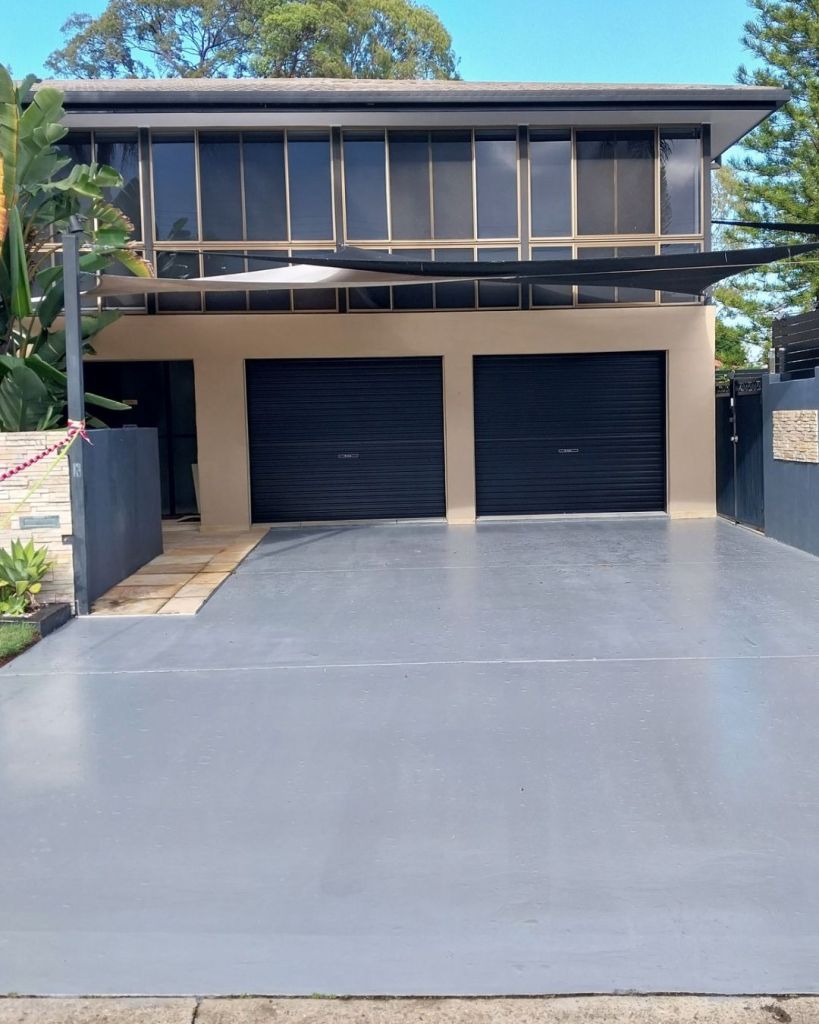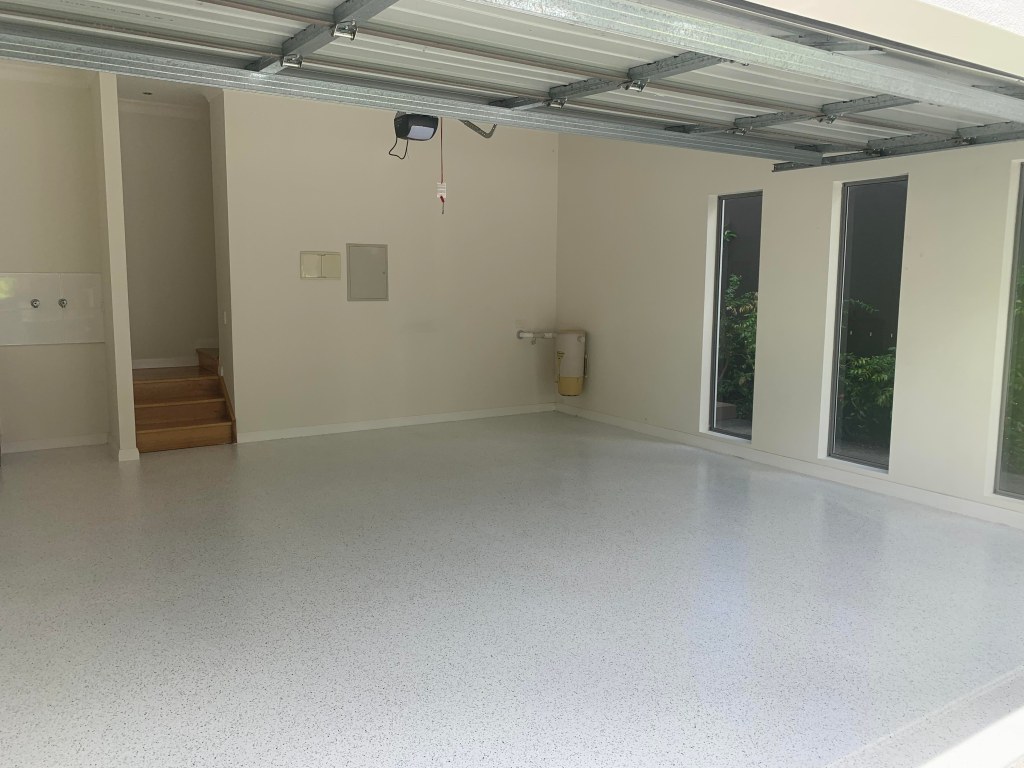
A well-installed epoxy floor can transform a garage, patio, or workshop. Many homeowners choose Epoxy Flooring Gold Coast services for their durability, seamless finish, and easy maintenance. But even the best epoxy will eventually show signs of wear. If the surface has lost its shine, started lifting, or developed scratches or stains, it may be time to consider a renovation.
Acting early prevents bigger issues, including damage to the concrete slab underneath. Upgrading your epoxy is about restoring safety, strength, and long-term performance, as much as it is about sustaining aesthetics.
Clear Signs You Should Renovate Your Epoxy Flooring in Gold Coast
Recognising that your floor needs attention is the first step. Acting on these signs promptly can be the difference between a straightforward repair or costly replacement.
The indicators of failure generally fall into three categories: what you can see, how the floor functions, and how its environment is affecting it. Understanding these will help you make an informed decision.
Visual Indicators
Often, your eyes will be the first to tell you something is wrong. While a few minor scuffs are normal, aesthetic changes can point to deeper issues.
Fading or a yellowing tint, particularly in areas exposed to sunlight, is a classic sign of UV degradation. This is a prevalent issue for Gold Coast homes with epoxy on patios or in garages where the door is often open. You might also see persistent stains that won’t lift, which means the sealed surface has been compromised.
More alarming are cracks, chips, and especially peeling or flaking. These physical breaches in the floor’s protective shield leave the underlying concrete open and vulnerable to damage.
Functional Indicators
How the floor performs is just as important, if not more, then how it looks. One of the most critical functional failures is the loss of slip resistance. If your once-grippy pool surround or workshop floor has become slick when wet, it’s a serious safety hazard that needs immediate attention.
Another functional sign is difficulty in cleaning. Epoxy floors are celebrated for being hardy and easy to maintain, so if dirt and grime seem to cling to the surface or oil spills leave a permanent mark, the non-porous seal has worn through.
You might also notice water pooling in certain areas after rain or cleaning, indicating that the surface has worn unevenly and developed low spots.
Environmental Indicators
The climate of the Gold Coast can be tough on any building material, and epoxy is no exception. The persistent humidity can contribute to moisture issues beneath the coating, sometimes showing up as bubbles, blisters, or a white, chalky residue.
The intense sun is another factor, accelerating the breakdown of coatings not specifically formulated with UV stability.
Furthermore, hot summer temperatures can soften tyres, which can affect some types of epoxy coatings, leading to lifting or marks. If your floor is showing signs of stress that align with seasonal changes or its specific location (e.g., coastal sea spray exposure), the environment is likely a contributing cause of its decline.
Quick Homeowner Checklist: Do You Need an Update?
Feeling overwhelmed by the signs? Take a moment and walk over your floor with this simple checklist. It’s a practical way to self-assess the condition of your epoxy and decide if it’s time to call in a professional. Be honest with your answers—it will help you determine the right next steps.
- Is the colour noticeably faded, yellowed, or inconsistent across the floor?
- Can you see visible cracks, chips, or any areas where the coating is lifting or peeling away from the concrete?
- Does the floor look permanently dull or dirty, even right after you’ve given it a thorough clean?
- When the surface gets wet, does it feel more slippery or hazardous than it used to?
- Have you noticed any strange textures, like bubbles, blisters, or soft spots underfoot?
- After hosing it down, does water pool in certain areas instead of draining evenly?
If you answered “yes” to one or two of these questions, it’s a good time to start planning for a future renovation. If you found yourself nodding along to several points, your epoxy flooring in Gold Coast is actively telling you it needs attention now. The next logical step is to consult a flooring expert who can provide a professional assessment.
Renovation Options: Refresh, Repair, or Replace?
Once you’ve decided to act, you have three main paths forward, depending on the severity of the damage. A professional assessment will give you the clearest recommendation, but understanding your options is empowering.
- Refresh (Recoat):
This is the simplest option, suitable for floors with minor cosmetic wear like dullness, light scuffs, or slight fading. The process involves lightly sanding (abrading) the existing topcoat to create a mechanical bond, followed by the application of a new, fresh coat of clear or coloured epoxy or urethane. It’s a cost-effective way to restore the gloss and protective qualities without touching the base layers.
- Repair:
If the damage is localised, like a few deep cracks from a dropped tool, a chip near the garage door, or a small area of peeling, a targeted repair may be all you need.
A technician will grind out the damaged section, patch the concrete if necessary, and then skillfully apply new epoxy, blending it with the surrounding floor. This approach saves the healthy portions of your floor and is much less disruptive than a full replacement.
- Replace (Full Resurface):
For floors with widespread issues like extensive peeling, deep and numerous cracks, severe staining, or moisture-related blistering, a full replacement is the only reliable solution. This involves mechanically grinding the entire old coating off the slab, preparing the raw concrete from scratch, and installing a completely new epoxy system.
While it’s the most intensive and costly option, it guarantees a long-lasting, flawless result and allows you to choose a new colour or finish, completely transforming the space.
How Long Does an Epoxy Renovation Take?
The timeline for an Epoxy Flooring Gold Coast renovation can vary, but a professional team works efficiently to minimise disruption. For a standard double garage, a full resurfacing project typically follows a 3 to 5 day schedule.
Day one focuses on the most critical phase: surface preparation. This includes using a diamond grinder to remove the old coating and create the ideal profile for the new epoxy system to bond to. Any necessary repairs are also completed at this stage.
Days two and three usually involve applying the primer, the base coat (with decorative flakes if selected), and one or two durable topcoats.
Preparing Your Space for a Smooth Renovation
A little preparation on your part can make a huge difference in how smoothly the renovation process goes. The most important task for you as the homeowner is to completely clear the area.
Every item, from cars, toolboxes, shelves, storage bins, and pot plants, needs to be removed from the floor. It’s also wise to take down anything hanging on the walls nearby, as the grinding process can create fine dust, although professional crews use vacuums to contain most of it.
Your contractor will handle the heavy lifting of the renovation itself, including a thorough assessment for underlying issues like moisture before they begin. They will manage all the surface grinding, repairs, and applications.
Your job is simply to provide a clean slate for them to work on and to ensure they have access to power. Discussing logistics, such as where they will clean their equipment, before they start can also help ensure a tidy and efficient project from beginning to end.
How to Choose the Right Contractor and When to Act
A successful Epoxy Flooring Gold Coast renovation depends on timing and choosing the right installer. If your floor is fading, yellowing, cracking, lifting, or becoming slippery, it’s no longer performing as it should.
When it’s time to renovate, work with a Gold Coast contractor who has proven experience, solid local reviews, and valid QBCC licensing.
During your consultation, confirm they use diamond grinding for surface preparation and can explain which epoxy or polyaspartic products best suit your space, especially for high-sun or high-traffic areas. Clear, itemised quoting and a workmanship warranty are strong indicators you’ve chosen a reliable professional.
If you’re recognising any of the warning signs or simply want to restore your floor to its original finish, reach out to Gold Coast Floor Finishers. Their team can assess your space, recommend the best renovation path, and deliver a durable, long-lasting result tailored to Gold Coast conditions.