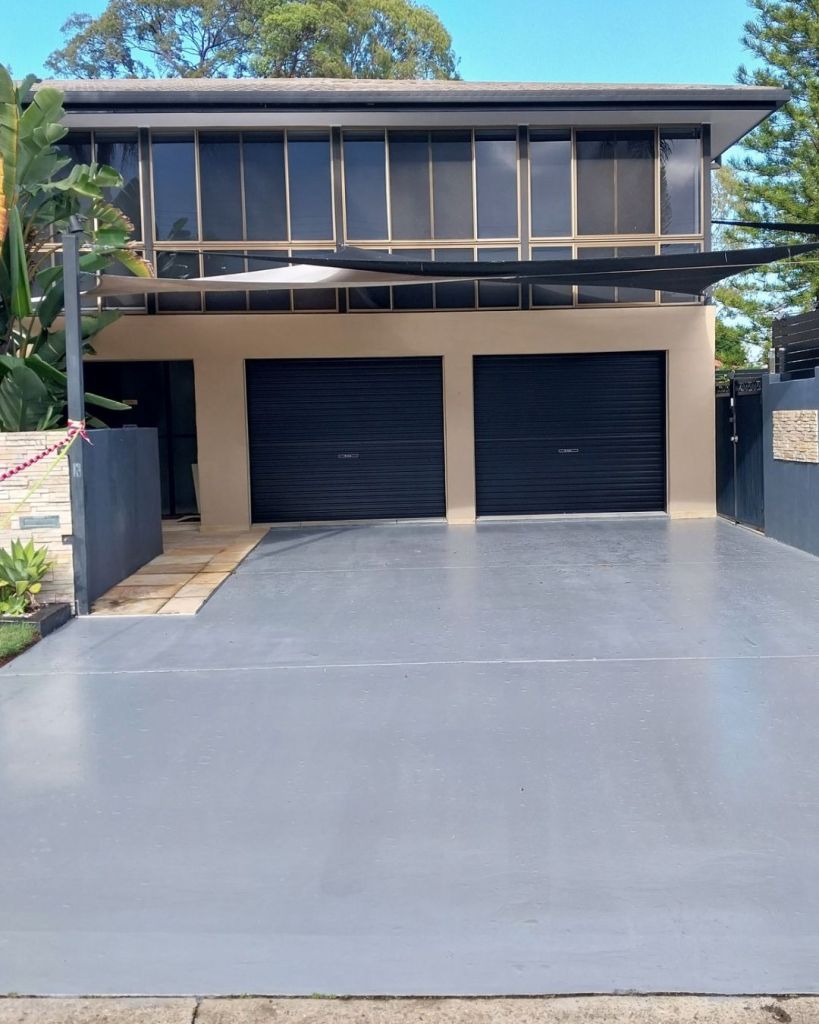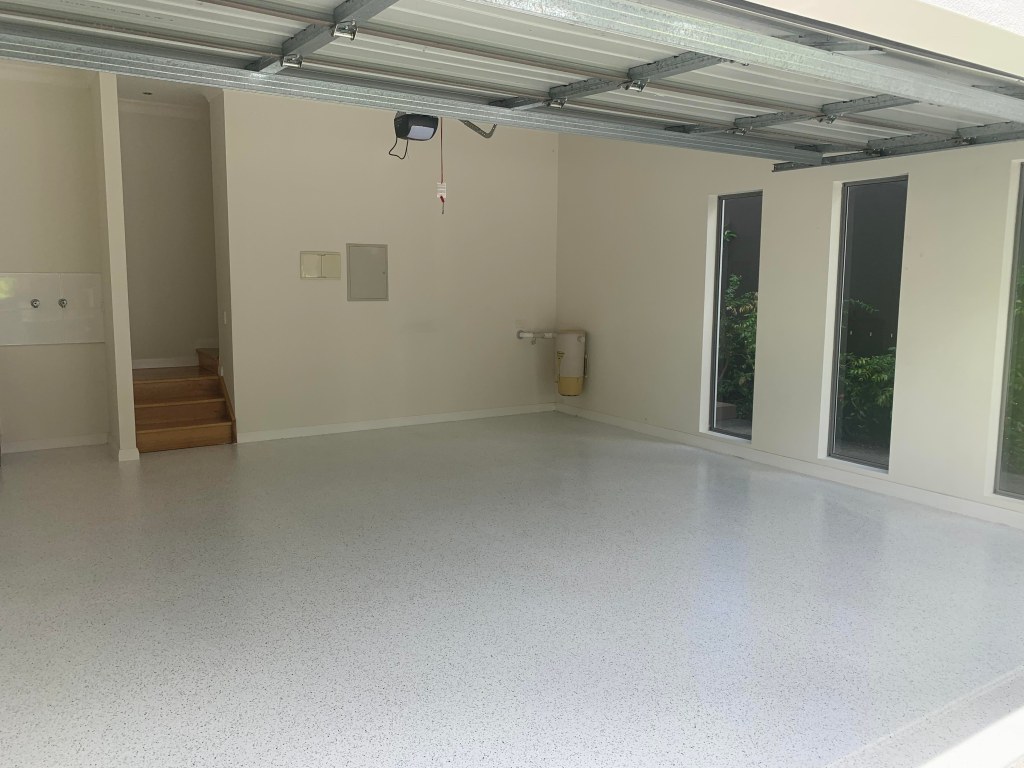
Epoxy flooring in Gold Coast is far more than just a layer of paint but a high-performing, resin-based flooring system that chemically bonds with a concrete slab to create something entirely new: a seamless, incredibly strong, and hygienic surface.
You’ve likely seen these glossy, durable floors in high-end garages or busy retail spaces and admired their clean, modern look. That flawless finish is a result of a meticulous, multi-stage process where every single step is critical.
Understanding how epoxy flooring services work behind the scenes is one of the best ways to choose an installer who delivers a floor that not only looks good on day one but continues to perform for years.
The Surface and How Concrete Prep Determines the Final Result
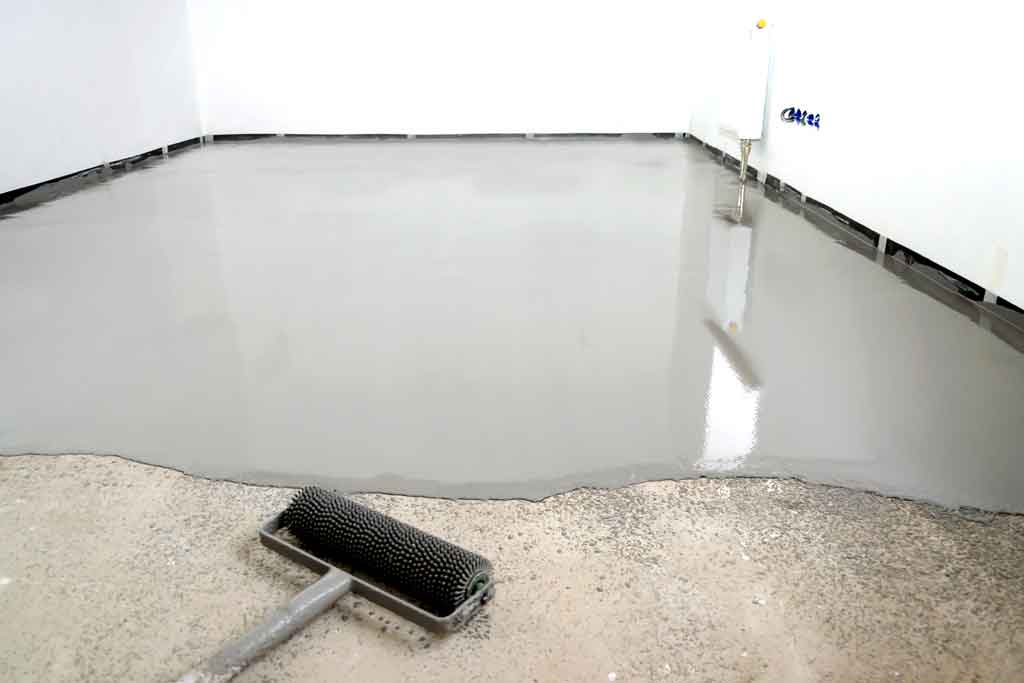
The final strength and longevity of epoxy flooring in Gold Coast come down to the concrete underneath. For epoxy to work, it needs to achieve a powerful mechanical bond with the concrete, rather then just sitting on top like a coat of paint. This means the surface profile of the concrete has to be just right, clean, porous, and ready to accept the primer.
This preparation involves mechanical methods like diamond grinding or shot blasting. These processes abrade the top layer of the concrete, removing any old coatings, sealers, or contaminants.
More importantly, they create a textured profile, almost like coarse sandpaper, giving the epoxy primer millions of microscopic peaks and valleys to grip onto. This bond is what prevents peeling, chipping, and delamination down the line.
Equally critical is managing moisture. Concrete is porous and can hold a surprising amount of water. If an epoxy coating is applied over a slab with high moisture content, that trapped vapour will eventually push its way up, causing bubbles, blisters, and total system failure.
That’s why professional installers always conduct moisture testing before starting a project. In a place like the Gold Coast, where humidity is always a factor, skipping this step is a recipe for disaster.
The Materials: Resin, Hardener, and Aggregates Working Together
At its core, an epoxy flooring system is a chemical reaction. It consists of two main components: a resin and a hardener. When mixed, they trigger a process called curing, where the liquid combination cross-links and transforms into a rigid, plastic-like solid.
The quality of these components dictates the floor’s strength, chemical resistance, and clarity. Cheaper materials might look fine initially, but they can yellow with sun exposure or lack the resilience needed for high-traffic environments.
The system is more than just resin and hardener, including a range of other materials that are added to tailor the floor’s look and function:
- Colour Pigments: These are mixed into the resin to create a solid, opaque colour, forming the base of the floor’s design.
- Decorative Flakes or Quartz: For the popular ‘flake’ finish, vinyl flakes of various colours and sizes are broadcast across the wet base coat, creating a multi-toned, textured appearance that’s great at hiding dirt. Quartz sand offers a similar but more uniform, high-build finish often used in commercial settings.
- Slip-Resistant Grit: In areas that might get wet, like patios, kitchens, or workshops, microscopic aggregate can be added to the topcoat. This creates a subtle texture that dramatically increases safety without compromising the ease of cleaning.
The right formulation of materials leads to the floor’s ability to withstand heavy foot traffic and even machinery usage without cracking, making it perfect for both residential garages and busy commercial spaces.
The Layering Process for Epoxy Flooring in Gold Coast

A professional epoxy floor is built in multiple phases, with each step designed to ensure strong adhesion, durability, and a consistent final finish.
1: Surface Preparation & Priming
- The concrete is mechanically ground and cleaned to open the surface.
- A penetrating primer is applied to seal the slab and create a strong bonding base.
2: Base / Colour Coat Application
- A thicker, pigmented epoxy coat adds colour and builds the system’s structure.
- Decorative flakes or quartz are broadcast at this stage if a textured finish is desired.
3: Flake Set, Scrape & Clean
- Once cured, the flakes are locked in place and any loose material is removed.
- The surface is scraped and vacuumed to achieve an even, level texture.
4: Topcoat Sealing & Protection
- A clear protective topcoat (epoxy or polyurethane) is applied to seal the system.
- This layer is what provides long-term resistance to scratches, chemicals, and UV exposure.
The thickness of the system varies depending on where it’s being installed. A residential garage may only require a standard build, while commercial workshops, showrooms, and industrial floors benefit from a thicker, reinforced system to withstand heavy equipment, frequent foot traffic, and long-term wear.
Curing Conditions
Applying the epoxy is only part of the job, as the next bit allows it to cure correctly. Curing is another chemical reaction in the process, and like any reaction, it’s highly sensitive to its environment. Temperature and humidity are the two biggest factors that can make or break an epoxy floor installation.
Most epoxy products have an ideal application temperature range, typically between 15°C and 30°C. If it’s too cold, the curing process slows down or may stop altogether, leaving the floor soft and weak. If it’s too hot, the epoxy can cure too quickly, reducing the working time and potentially creating defects like amine blush, a waxy film that affects adhesion between layers.
Humidity is the other variable that needs strict control. High humidity can introduce moisture into the curing epoxy, which can cause cloudiness, discolouration, and a weaker final product.
Professional epoxy flooring services will always monitor the ambient temperature, the concrete slab temperature, and the relative humidity to ensure conditions are within the manufacturer’s specifications. A floor that hasn’t fully cured before being subjected to traffic will be compromised from the start, leading to premature wear and failure.
Different products have different cure times, with some being ready for light foot traffic in 24 hours, while others need several days to achieve full chemical resistance. Adhering to these timelines is non-negotiable for the longevity of your epoxy flooring.
Maintenance for Long-Term Results
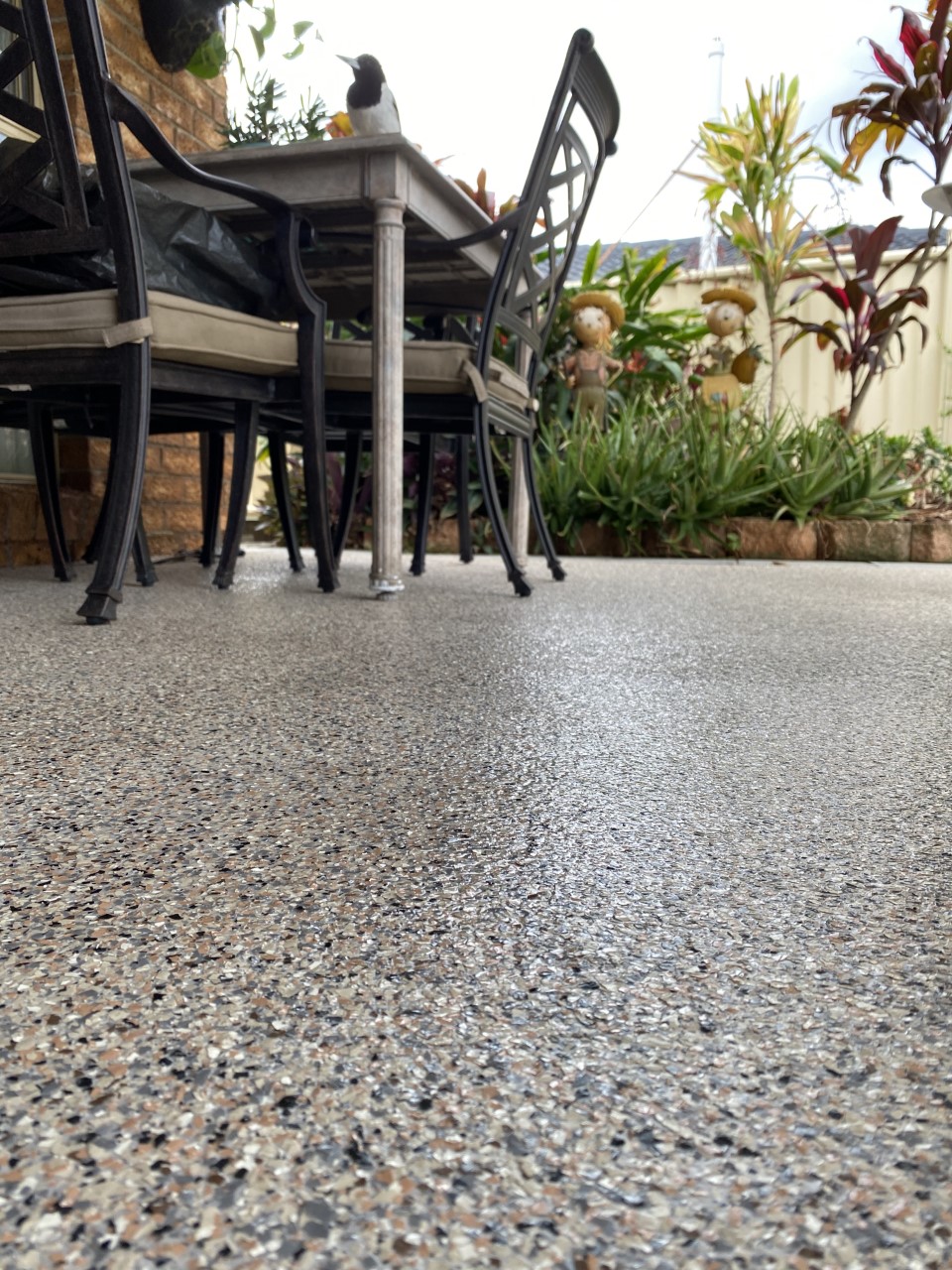
One of the most convenient features of epoxy flooring is how easy it is to keep clean. With the surface being so seamless and non-porous, dirt, oil, and grime sit on the surface instead of soaking in. For daily cleaning, a simple sweep or dust mop is often all that’s needed. For a more thorough clean, a pH-neutral cleaner and water are perfect. There’s no need for harsh chemicals, waxes, or polishes.
What you shouldn’t use is just as important to remember, as abrasive scrubbing pads, steel wool, or acidic cleaners like citrus-based products can dull the glossy topcoat over time, diminishing its shine and protective qualities. While epoxy is incredibly tough, it’s not indestructible. Dragging heavy, sharp equipment or dropping heavy tools can still cause scratches or chips. The good news is that these are often simple to repair without needing to replace the entire floor.
A well-installed and properly maintained residential epoxy floor can easily last 10-15 years or more, while commercial floors in high-traffic areas might need a new topcoat every 5-7 years to restore their gloss and protective layer. This longevity and ease of maintenance make it a highly cost-effective solution over its lifespan, saving you time and money on cleaning and upkeep.
Choosing Epoxy Flooring in Gold Coast That Lasts
A high-performing epoxy floor comes down to careful preparation, correct layering, and skilled application. When each stage is completed properly, the result is a surface that maintains its finish, resists wear, and stands up to daily use over many years. Whether it’s for a garage, showroom, or commercial workspace, durability is determined by the quality of the installation.
If you’re planning on getting a new epoxy flooring in Gold Coast installed or want to restore an existing surface, contact Gold Coast Floor Finishers. We provide site assessments, tailored recommendations, and professional installation to ensure your floor is built to last. Reach out today to get started.